Condo Rental Deposits in Thailand: What Tenants Should Check
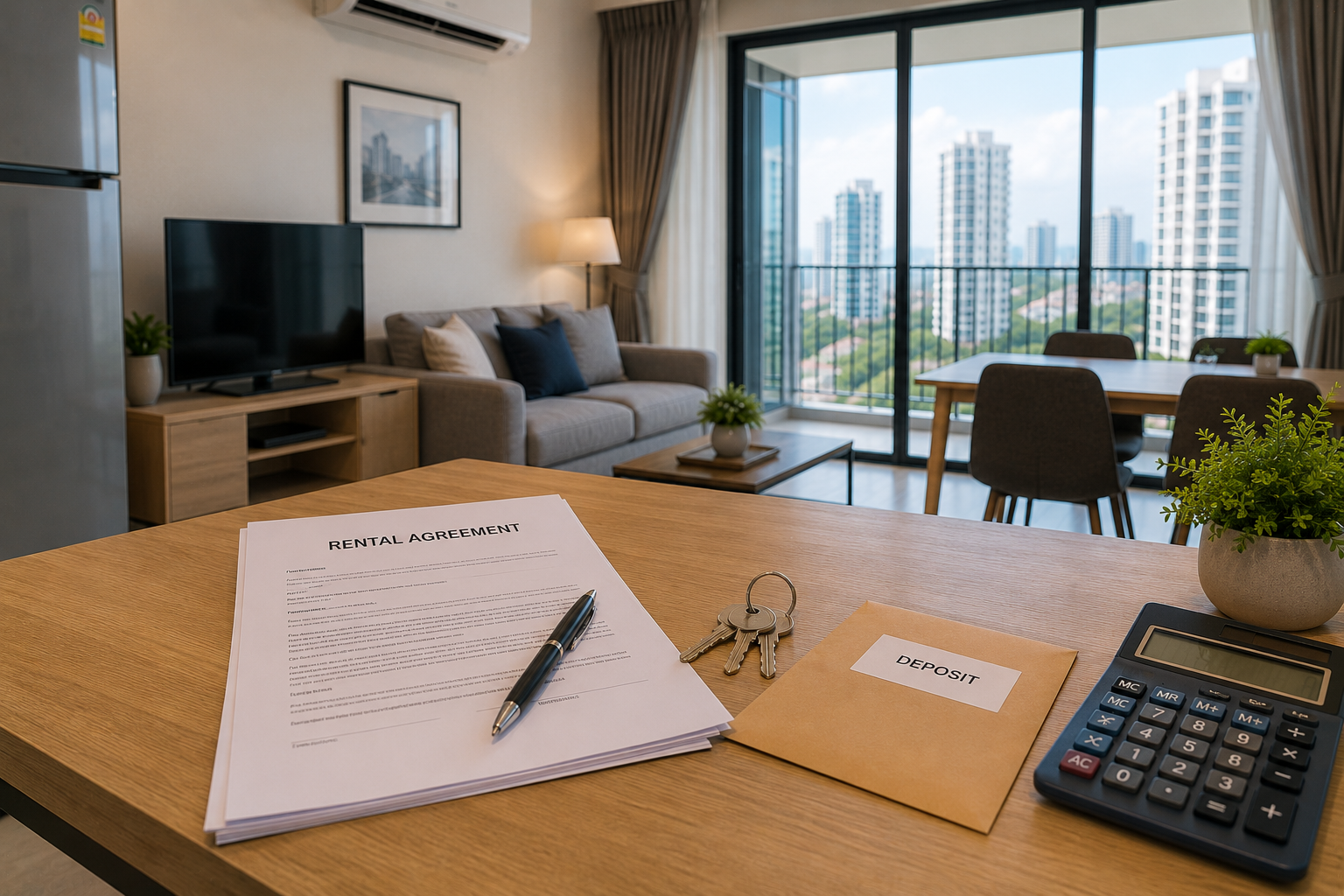
A condo rental deposit in Thailand is one of the most important matters tenants should check before deciding to rent a unit, whether in Pattaya, Bangkok, Phuket, Chiang Mai, or another area. The deposit is often a lump sum paid before moving in and is directly connected to the rental contract, the condition of the unit, outstanding expenses, and the refund when the tenant moves out.
Tenants should not consider only the monthly rent. They should clearly ask how much the deposit and advance rent are, when the deposit will be refunded, when deductions may be made, and what evidence is required. When renting a condo directly from an owner, it is even more important to verify the landlord's identity, right to rent out the unit, and the complete contract before transferring money.
English summary: Rental deposit is a key cost when renting a condo in Thailand. Tenants should check the amount, refund terms, deductions, contract, and payment proof before paying.
1. What Is a Condo Rental Deposit?
A condo rental deposit is money a tenant pays to an owner or landlord as security under the contract, such as for damage inside the unit, unpaid rent, unpaid water or electricity bills, or other conditions specified in the contract. When the contract ends and the tenant moves out, the owner may refund the deposit after inspecting the unit and deducting reasonable, documented costs as agreed.
A deposit should not automatically be treated as the final month's rent unless the contract clearly states this. Some contracts may require the tenant to pay the final month's rent as usual, with the deposit refunded only after the unit has been inspected and all expenses have been settled.
- Serves as security for damage to the unit
- Covers outstanding expenses under the contract
- May be deducted if there is damage or a breach of the terms
- Should be refunded within the period specified in the contract after move-out
- A receipt or proof that the money was received should always be provided
English summary: A rental deposit is security money, not automatically the last month’s rent unless the contract clearly says so.
2. How Many Months' Deposit Should Be Paid?
The deposit amount may vary by unit, owner, building type, contract term, and type of landlord. In some cases, a deposit of 1 month or 2 months may be requested, together with advance rent. Tenants should ask for a clear breakdown of every payment due on the move-in date.
In Thailand, rules on rental contracts and deposits may depend on the type of landlord and the consumer protection law in force at the time. A rental business operator covered by a relevant notification or law may be subject to specific requirements concerning contracts, deposits, or advance rent. Tenants should check the latest information with the relevant authority, such as the Office of the Consumer Protection Board, or consult a professional if uncertain.
- How many months' deposit is required?
- How many months' rent must be paid in advance?
- What is the total amount due before moving in?
- Which amounts are refundable and which are nonrefundable?
- Are there other charges, such as cleaning or key fees?
Be cautious about transferring money without documentation. Without a contract, receipt, or proof of payment, recovering or tracing the deposit later may be more difficult.
3. How Should the Deposit Be Stated in the Contract?
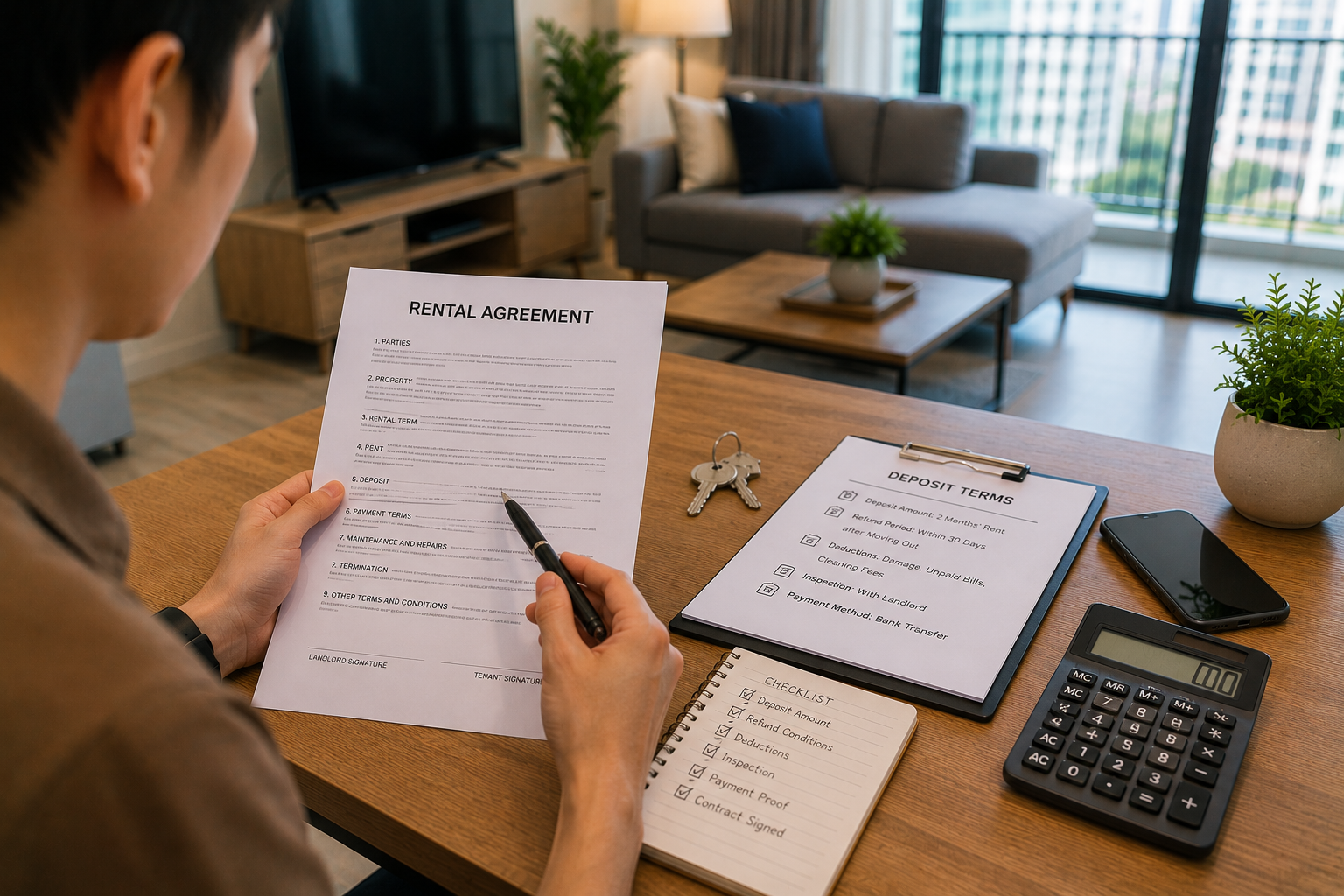
The rental contract should state the deposit terms clearly and should not use broad or ambiguous wording. Tenants should check whether it fully specifies the deposit amount, payment date, payment method, refund terms, and situations in which deductions may be made.
- The deposit amount is stated clearly as a number
- The deposit payment date is specified
- The account holder or recipient is identified
- The refund period after move-out is specified
- The conditions for deposit deductions are specified
- The inspection process before the refund is specified
- The method for transferring the deposit refund is specified
If the owner says the deposit will be refunded within a certain number of days after move-out, this should be written into the contract, for example, that the refund will be made after inspecting the unit and fully settling the water and electricity bills. The number of days and conditions depend on the agreement and applicable law.
English summary: The contract should clearly state deposit amount, payment method, refund timeline, deduction conditions, and inspection process.
4. What Damage May Be Deducted from the Deposit?
Deposit deductions should relate to reasonable, documented costs, such as damage beyond normal wear and tear, outstanding water or electricity bills, or items specified in the contract. Tenants should distinguish between 'normal wear and tear' and 'damage caused by abnormal use.'
- Outstanding water, electricity, or internet bills
- Furniture or appliances damaged through abnormal use
- Damage to walls, floors, doors, or windows beyond normal use
- Lost keys, key cards, or remote controls
- Special cleaning costs if the unit is unusually dirty and the contract provides for them
- Other costs clearly specified in the contract
To help prevent disputes, tenants should photograph or record the condition of the unit on both the move-in and move-out dates. Water and electricity meter readings should also be recorded on both occasions.
5. Terms You Should Not Accept Without Checking
Tenants should be cautious about unclear or unfair conditions, such as an owner saying the deposit 'may not be refunded' without giving a reason, or stating that deductions may be made in every situation without evidence. If you find such terms, ask for clarification and request amendments before signing.
- No deposit refund period is specified
- No grounds for deposit deductions are specified
- No receipt or proof that the money was received is provided
- Money must be transferred to an account unrelated to a contracting party without explanation
- The tenant is not allowed to inspect the unit before paying
- No copy of the signed contract is provided
If the terms are unclear, tenants should stop and investigate further before paying. Do not rush to transfer money because of pressure that someone else is waiting to rent the unit.
English summary: Avoid unclear deposit terms, no receipts, vague deduction rules, and rushed transfers before checking the room and contract.
6. How Are Utilities Related to the Deposit?
Outstanding water, electricity, and internet bills are among the costs that may be deducted from the deposit if the contract provides for this. Before moving in, tenants should therefore ask how utilities are calculated, who receives payment, and how meters will be inspected on the move-in and move-out dates.
The Provincial Electricity Authority publishes official electricity tariff information, and the Provincial Waterworks Authority provides water tariff information for areas it serves. However, some condominiums may charge for utilities through the juristic person or unit owner under the building and contract terms. Tenants must therefore check the billing method for the specific unit directly.
- Photograph the water and electricity meters on the move-in date
- Ask whether charges follow the actual bill or a per-unit rate
- Ask when utility bills are due
- Keep invoices or payment slips every month
- Check for outstanding balances before moving out
English summary: Utility bills can affect deposit refunds. Record meter readings and keep payment proof throughout the lease.
7. Inspect the Unit Before Moving In to Prevent Deposit Problems
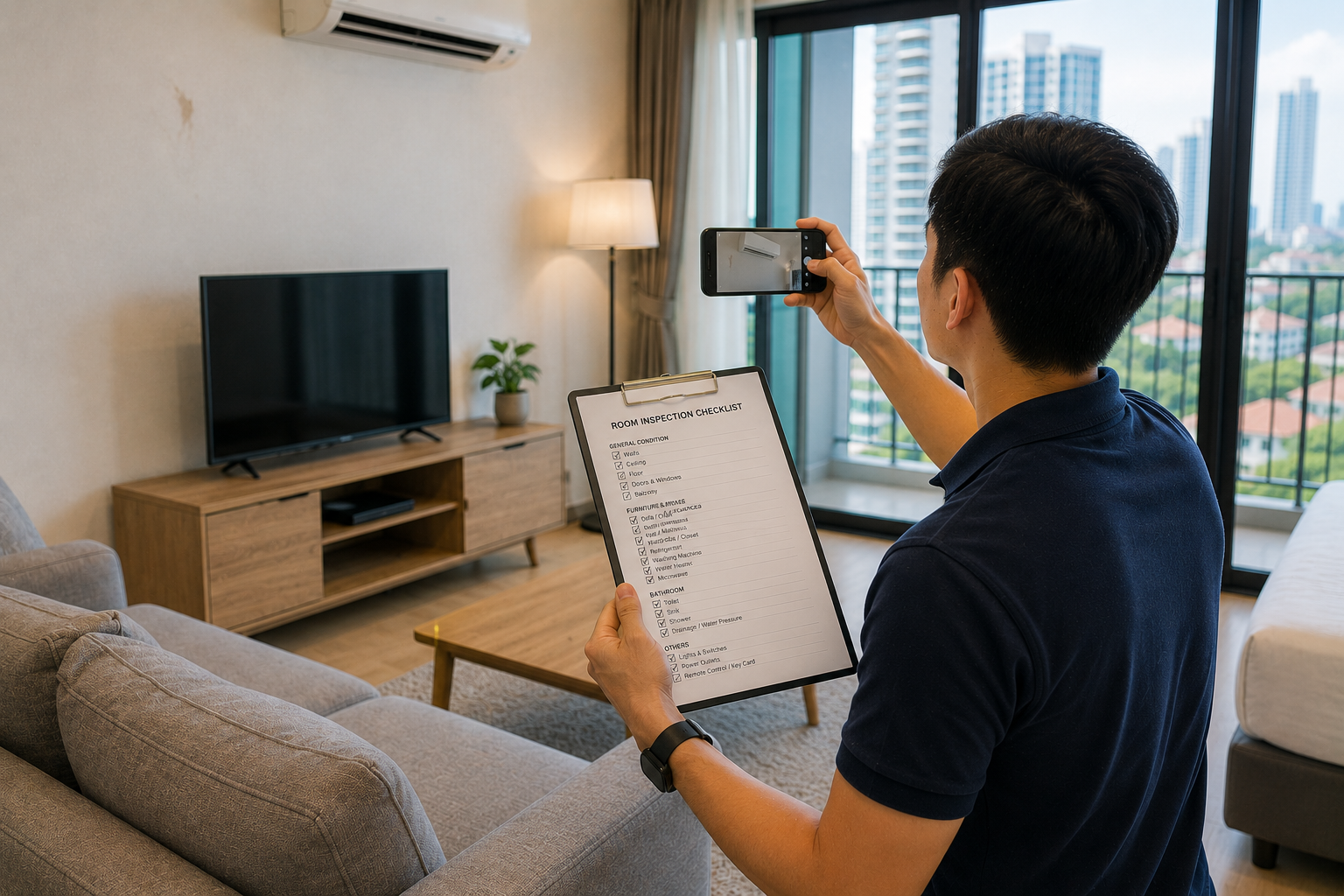
Inspecting the unit before moving in is important because it helps establish which damage existed before the tenant arrived. The tenant should inspect the unit with the owner or property manager and submit a written list of issues, such as through chat or an attachment to the contract.
- Photograph the floor, walls, soffits, ceiling, and balcony
- Check whether the air conditioner is noisy, dripping, or not cooling
- Check the refrigerator, washing machine, microwave, and water heater
- Check sanitary fixtures, plumbing, and leaks
- Check doors, windows, locks, key cards, and remote controls
- Prepare an inventory of furniture and the condition of each item
- Keep the photos and videos until the deposit has been refunded
If you find a problem before moving in, such as an air conditioner that does not cool or damaged furniture, ask the owner to acknowledge it in writing so the deposit is not later deducted for damage the tenant did not cause.
8. Steps Before Moving Out to Request a Deposit Refund
Before moving out, tenants should notify the owner within the period required by the contract and arrange to inspect the unit together. Any outstanding water, electricity, or other expenses should be settled, and proof of payment should be retained.
- Give advance notice of move-out as required by the contract
- Clean the unit before returning it
- Photograph the unit after removing your belongings
- Record the water and electricity meter readings on the move-out date
- Return all keys, key cards, remote controls, and equipment
- Request a written itemization if any money is deducted
- Clearly provide the account details for the deposit refund
If the owner intends to deduct money from the deposit, the tenant should request details and evidence, such as photographs, quotations, receipts, or outstanding balances, to understand the reasons for the deductions.
English summary: Before moving out, notify the owner, clean the room, record meter readings, return keys, and request written deduction details if any.
9. What Deposit Risks Should You Watch When Renting Directly from an Owner?
Renting directly from an owner can be convenient, but tenants should take particular care when transferring the deposit because there is no intermediary to help verify the transaction. Before transferring a large sum, tenants should view the actual unit, verify the landlord's identity, read the contract, and request proof that the money was received.
- Do not transfer the deposit before viewing the actual unit or seeing it by video call
- Verify that the recipient is the owner or someone entitled to rent out the unit
- Check the recipient account name
- Request a receipt or written confirmation that the money was received
- Keep the transfer slip and chat history
- Do not transfer money because you are being pressured to decide quickly
If the landlord claims to be an agent or property manager, request a power of attorney or other evidence of their connection to the owner before paying.
10. Documents to Keep Until the Deposit Is Refunded
- The fully signed rental contract
- A receipt or proof of deposit payment
- Transfer slips for rent and other expenses
- Photos or videos showing the unit's condition on the move-in date
- Photos or videos showing the unit's condition on the move-out date
- Water and electricity meter readings on the move-in and move-out dates
- Chat history with the owner or landlord
- The furniture and appliance inventory
- Utility bills or receipts
Keeping this evidence does not mean every problem can be prevented, but it gives tenants and owners clearer information when they need to review the deposit or expenses after move-out.
11. What Should You Do If There Is a Deposit Problem?
If a deposit dispute occurs, the tenant should begin by discussing it with the owner using the available documents and evidence, such as the contract, photographs, transfer slips, and inspection report. If the parties still cannot agree, the tenant may seek guidance from a relevant authority or professional, depending on the nature of the problem.
The Office of the Consumer Protection Board has a website and online complaint system for matters involving consumer protection. However, each case is considered according to its facts, documents, and applicable law. Tenants should prepare complete evidence before proceeding.
English summary: If a deposit dispute occurs, start with written communication and evidence. If unresolved, seek guidance from relevant authorities or professionals.
Summary
A condo rental deposit in Thailand is a matter tenants should examine carefully before transferring money. Clearly ask about the amount, refund terms, grounds for deductions, inspection procedure, utilities, and refund period. Everything should be stated in the rental contract and supported by proof of payment.
Photographing the unit before moving in, recording meter readings, keeping receipts, and retaining chat history can reduce misunderstandings at move-out. When renting directly from an owner, tenants should take extra care to verify the person's identity and right to rent out the unit before paying a deposit.
English summary: Tenants should verify deposit terms, contract details, room condition, utility bills, and payment proof before and during the rental period.
FAQ
1. How Many Months' Deposit Is Normally Paid for a Condo in Thailand?
The deposit amount depends on the unit, owner, contract term, and type of landlord. It may be 1 month or more. Tenants should ask for the total move-in cost and check whether the contract clearly specifies the deposit and refund terms.
English: Deposit amount varies. Always check the contract and total move-in cost before paying.
2. When Can an Owner Deduct from the Deposit?
Deductions may generally be made for outstanding expenses, damage beyond normal wear and tear, or conditions specified in the contract. Tenants should request details and evidence of deductions, such as photographs, receipts, or outstanding balances.
English: Deductions should be based on contract terms, unpaid costs, or proven damages.
3. What Should I Do If My Deposit Is Not Refunded?
Collect the contract, receipts, transfer slips, photographs of the unit's condition, chats, and all other evidence. Then communicate with the owner in writing. If no agreement can be reached, seek guidance from a relevant authority or professional based on the facts of the case.
English: Collect evidence, communicate in writing, and seek proper advice if the issue remains unresolved.
Platform Use Disclaimer
This website is only a platform for real estate listings.
Users should verify information, documents, and all conditions themselves.
This website is only a real estate listing platform.
Users should verify information, documents, and conditions by themselves.
Baandeego is not a broker and is not a party to any rental, purchase, sale, reservation, payment, contract, or ownership transfer. It is not responsible for disputes among users, tenants, owners, sellers, or related persons. Every party should independently verify the information, documents, conditions, and applicable laws before making a decision.
References / Sources
- Provincial Electricity Authority — Electricity Tariff: https://www.pea.co.th/en/our-services/tariff
- Provincial Waterworks Authority — Water Tariff Rate: https://en.pwa.co.th/contents/service/table-price
- Office of the Consumer Protection Board — Official website: https://www.ocpb.go.th/index_en.php
- Office of the Consumer Protection Board — Online complaint system: https://complaint.ocpb.go.th/