High-floor vs Low-floor Condo Rentals in Thailand: Which Should You Choose?

Choosing between a high-floor and low-floor condo is something many tenants consider when selecting a room in Thailand, especially in Bangkok, Pattaya, Chonburi, Phuket, Chiang Mai, Hua Hin, and cities with many high-rise condos. Some people prefer a high floor for its view, breeze, and greater sense of privacy, while others prefer a low floor because it is easier to get in and out, requires less time in the lift, and may suit people who dislike heights.
However, there is no single answer that makes a high or low floor better in every case. You need to consider the location, building, room direction, number of lifts, noise, sunlight, everyday convenience, and lease terms. This article compares the benefits and points to consider for high-floor and low-floor condos so tenants can inspect the actual room carefully before transferring a booking payment or signing a lease.
English summary: High-floor and low-floor condos in Thailand offer different benefits. Tenants should compare view, noise, sunlight, elevator access, safety, comfort, rent, and daily lifestyle before choosing.
1. Who Is a High-floor Condo Suitable For?
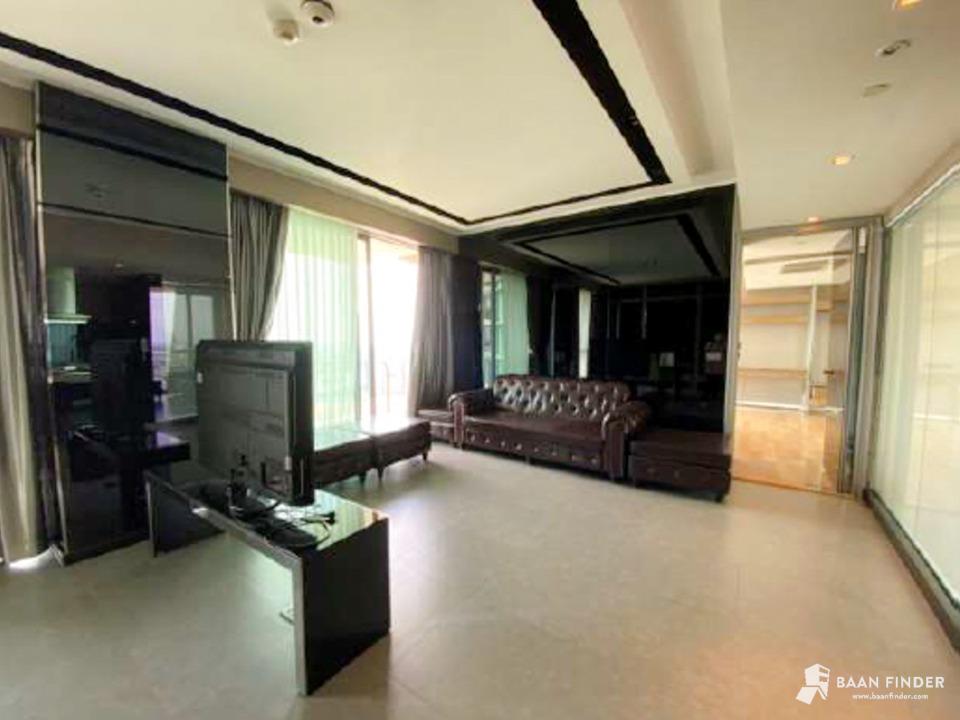
A high-floor condo often suits tenants who want an open view, privacy, and less road noise in some locations. A room facing a city, river, garden, or sea view may feel more open and pleasant, but a high floor also requires consideration of the lifts, sunlight, strong wind, and emergency evacuation.
- Suitable for people who like city, sea, or open views.
- Suitable for people who want more privacy.
- May reduce road noise in some buildings.
- Suitable for people who are not afraid of heights.
- Check lift waiting times in the morning and evening.
- Check sunlight, wind, and room temperature during the day.
A high floor may look appealing in listing photos, but you should view the actual room and spend some time in it to see whether the height, view, light, and wind suit everyday living.
English summary: High floors can offer better views and privacy, but tenants should check elevator time, sunlight, wind, heat, and comfort with height.
2. Who Is a Low-floor Condo Suitable For?
A low-floor condo often suits tenants who want convenient access, do not want to wait long for a lift, or dislike heights. In some buildings, lower floors may be near common areas, gardens, swimming pools, fitness rooms, or parking, making daily life more convenient. However, check noise, privacy, and views that may be blocked by a building or wall.
- Suitable for people who dislike heights.
- More convenient for entering and leaving the building in many cases.
- Suitable for people who frequently use common areas.
- May suit older people or anyone who needs easy access.
- Check noise from the road, lobby, swimming pool, or parking area.
- Check privacy at the windows and balcony.
A low-floor condo is not always a poor choice. If the building has a good layout, the room is not next to a noisy area, and the view does not feel enclosed, it can be a very practical option.
3. Views and Natural Light
One of the main reasons many people choose a high floor is the view and natural light. A high floor is more likely to have an open view, but this does not mean every high-floor room has a good view. Another building may block it, or the room may face strong sunlight that makes it uncomfortable. A low floor may have a more limited view, but some rooms may overlook a pleasant garden or common area.
- Check whether the actual view matches the listing photos.
- Check whether another building blocks the view.
- Does the room receive morning or afternoon sun?
- Does enough light enter the room?
- Is the light so strong that the room becomes hot?
- Does the low floor face a garden, pool, or building wall?
View the room at different times if possible, such as during the day and in the evening, because the room's light and heat may differ greatly from the listing photos.
English summary: High floors often have better views, but direction and nearby buildings matter. Low floors may still be pleasant if they face a garden or open area.
4. How Does Noise Differ?
A high floor may reduce some road noise, but noise does not always disappear, especially in a building beside a major road, expressway, rail line, or construction area. A low floor may receive more noise from the lobby, swimming pool, fitness room, parking area, shops, or common areas.
- A high floor may still hear road or rail noise in some locations.
- A low floor may hear pedestrians, common areas, or vehicles entering and leaving.
- A room near the lifts may often hear people passing.
- A room near the refuse room or fire-exit door may have noise disturbances.
- View the room in the evening or during rush hour.
- If you work from home, test the noise especially carefully.
Floor choice should also account for the room's position in the building, not only the floor number, because rooms on the same floor can differ greatly in quietness.
5. Lifts and Waiting Times Are Very Important
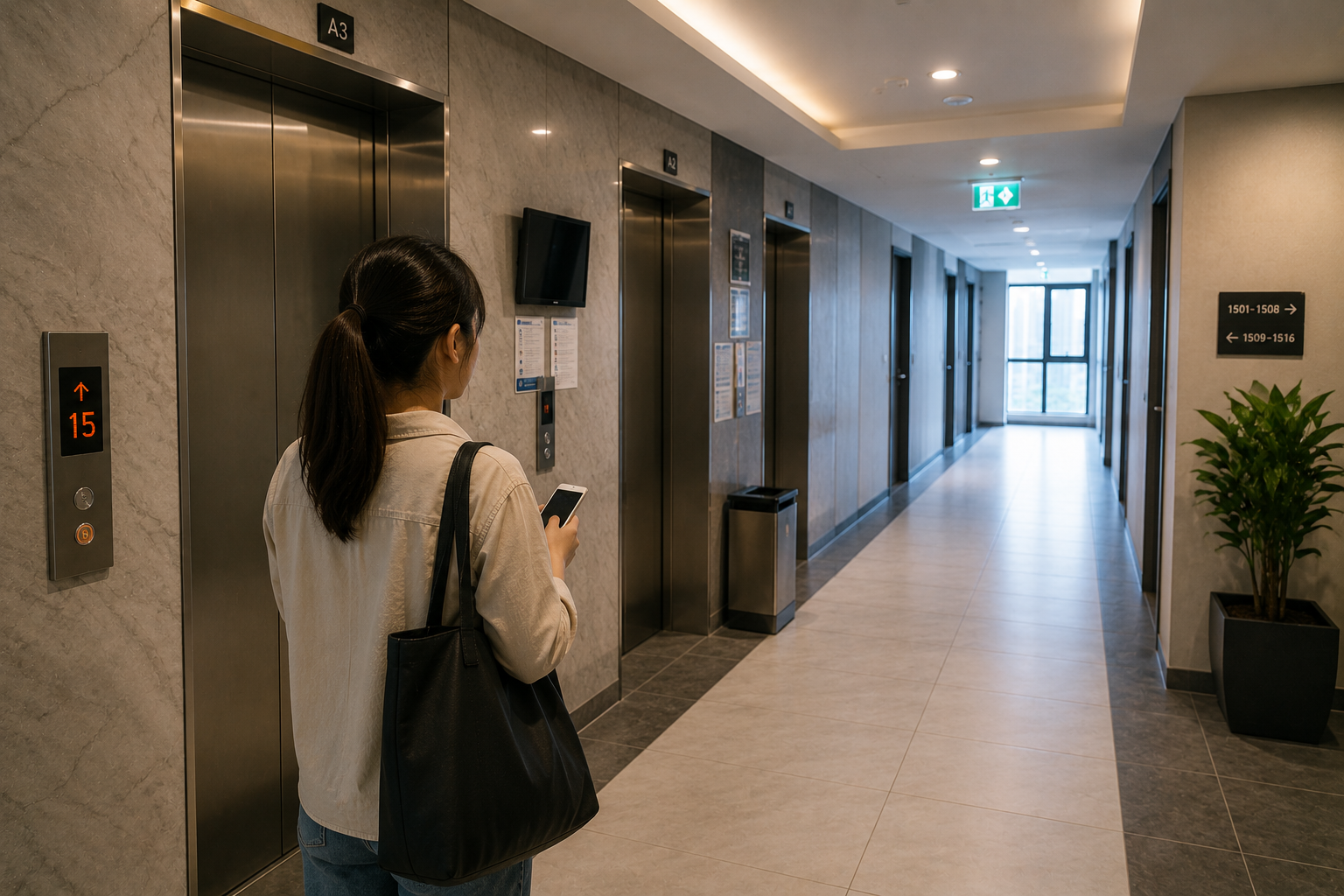
For a high-rise condo, lifts are a very important factor. A high-floor room may involve longer lift waits, especially in the morning, evening, on holidays, or when people are moving. If the building has few lifts relative to the number of units, tenants may lose more time in daily life than expected.
- How many lifts does the building have?
- Are there many or few units per floor?
- Is the lift wait long in the morning?
- Is there a separate service lift for moving items?
- If a lift is out of service, is daily life still convenient?
- How much extra travel time does a high floor add each day?
If possible, arrange a viewing when residents actually use the building, such as before work or after work, to assess lift waiting times and congestion.
English summary: Elevator waiting time is important in high-rise condos. Check the number of lifts, units, peak-hour traffic, and service lift rules.
6. Heat, Wind, and Air-conditioner Use
Some high-floor rooms may receive a great deal of sun and become hot in the afternoon, especially those facing west or with large glass walls. At the same time, some rooms may have winds so strong that using the balcony is inconvenient. A low floor may be cooler in some buildings, but it may also be stuffier or darker.
- At what time of day does the room receive sun?
- Do the glass and curtains reduce heat effectively?
- Does the air conditioner cool the entire room?
- Does the high-floor balcony have strong wind?
- Is the low floor stuffy or damp?
- Electricity costs may rise if the air conditioner must run for long periods.
Tenants who work from home or remain in the room during the day should check the heat and air conditioner especially carefully because both affect long-term electricity costs and comfort.
7. Privacy and Safety in Daily Life
A high floor often provides more privacy from people outside, but this does not mean there will be no privacy concerns because people in a building opposite may still be able to see inside. On a low floor, check how close the windows or balcony are to walkways, gardens, the swimming pool, or neighboring buildings.
- Can the balcony be seen from a neighboring building?
- Is the low floor beside a garden, pool, or busy walkway?
- Do curtains or window film improve privacy?
- Can the doors, windows, and balcony be locked securely?
- Do people frequently pass along the corridor outside the room?
- What are the CCTV and building access-control systems like?
Safety does not depend on floor level alone. It also depends on building systems, room position, access arrangements, and the tenant's living habits.
English summary: Privacy and safety depend on floor level, neighboring buildings, balcony position, corridor traffic, locks, and building access control.
8. Always Consider Evacuation and Emergencies
When choosing a condo floor, consider emergencies such as fire, earthquakes, lift failure, or situations requiring the fire stairs. A high floor may offer a good view, but walking down many flights of stairs may be difficult for some people, especially older people, young children, people with health conditions, or those who find stairs difficult.
- Are the fire stairs near the room?
- Is the escape route clean and free of obstructions?
- Is the fire-escape plan clearly displayed?
- Where are the fire alarm and firefighting equipment?
- If the lifts stop, can you manage the stairs?
- Ask the juristic office about evacuation drills or building rules as appropriate.
The Department of Disaster Prevention and Mitigation, or DDPM, is an agency under the Ministry of Interior involved in disaster prevention and mitigation in Thailand. Tenants should also prioritize preparedness and personally check the building's escape routes when viewing the room ([disaster.go.th](https://www.disaster.go.th/about/organization))
9. A Floor Near Common Areas May Be Convenient, but Check the Noise
Some condos have floors close to the swimming pool, fitness room, sky garden, or co-working space. A room near these facilities may be convenient for someone who uses common areas frequently, but there may also be noise from pedestrians, children playing, the fitness room, or doors closing at certain times.
- Is the room near the swimming pool or fitness room?
- Until what time are the common areas open?
- Do people frequently pass outside the room?
- Is there noise on the same floor as a garden or shared terrace?
- Are there food smells or smoke from common areas?
- View the room when people are actually using the common areas.
Convenience may come at the cost of noise and privacy. Tenants should choose according to their own habits, such as frequent fitness-room use, a preference for quiet, or regularly working from home.
English summary: Floors near amenities can be convenient, but check noise, foot traffic, opening hours, and privacy.
10. Rent and Negotiated Prices May Differ by Floor
In some buildings, a high-floor room with a good view may rent for more than a low-floor room or one with an obstructed view. In other buildings, lower floors may offer more attractive prices because of limited views or greater noise. Tenants should compare the rent with the actual quality of life, rather than assuming that a more expensive high floor is always better.
- Is the high floor more expensive because of the view or better decoration?
- What limitations make the low floor cheaper?
- How much do same-size rooms on different floors cost?
- Do the rents include the same furniture and appliances?
- If lift waits are long on a high floor, is the higher price worthwhile?
- If a low floor offers easier access, might it provide better value?
A reasonable price should be considered together with the view, light, noise, lifts, room condition, and total monthly costs.
11. Anyone Afraid of Heights Should Try Standing by the Balcony
Some people think they could live on a high floor but may feel dizzy, uncomfortable, or afraid to use the balcony when they actually visit. If you are afraid of heights, stand in the room and near the balcony before deciding. Do not decide from the view in the photos alone.
- Do you feel comfortable when looking down from the room?
- Would you actually feel able to use the balcony?
- Are the balcony door and railing in good condition?
- If you have children or pets, take extra care.
- A middle floor may be a more balanced option.
Feeling comfortable at home is more important than the view. If a high floor causes stress every day, a middle or low floor may be more suitable.
English summary: If you are afraid of heights, test the balcony and view in person before choosing a high-floor unit.
12. How Should You Inspect a Room When Choosing a Floor?
When viewing a room, inspect both the interior and the surrounding area on that floor, rather than looking only at the view from the window. Daily life also involves the corridor, lifts, fire stairs, noise, and the building's entrances and exits.
- Test the lift wait from the lobby to that floor.
- Walk from the lift to the room and note whether many people pass.
- Check the noise in the room with the door closed and the balcony open.
- Look at the fire stairs and emergency exits.
- Check the actual view and direction of the sunlight.
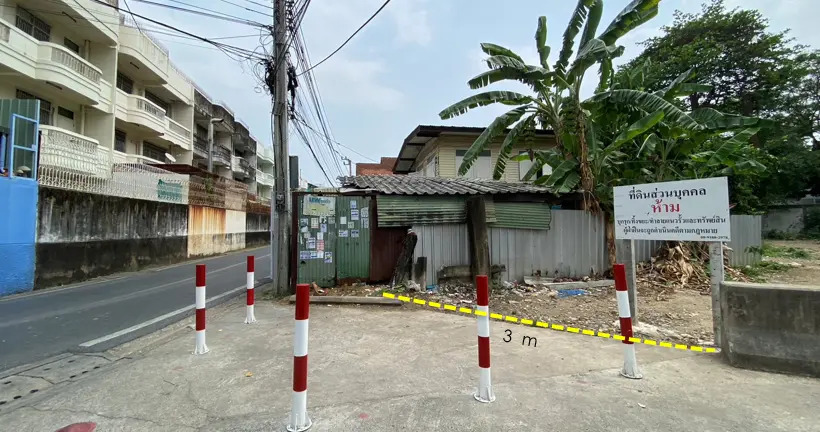
- Ask about construction near the building if you see vacant land around it.
- View the room at a time close to your real routine, such as after work in the evening.
If possible, compare rooms on different floors in the same building to see clear differences in price, view, noise, and convenience.
13. What Should You Check Before Transferring a Booking Payment?
Whether you choose a high or low floor, check all basic information before transferring a booking payment or deposit, including the landlord, recipient account, lease, room condition, and all costs, especially when renting directly from an owner or through an online listing.
- You have viewed the actual room or had a live video call.
- Check that the room matches the photos and advertised floor.
- Check the landlord's name and recipient account.
- Read the lease and deposit terms.
- Check rent, water, electricity, internet, and parking costs.
- Check the room, air conditioner, balcony, doors, windows, and escape route.
- Request a receipt or confirmation message after every payment.
The Office of the Consumer Protection Board is Thailand's official consumer protection agency. Users can check information or contact channels on its official website if they have questions about services, contracts, or payments ([ocpb.go.th](https://www.ocpb.go.th/index_en.php))
14. Checklist for Choosing a High-floor or Low-floor Condo
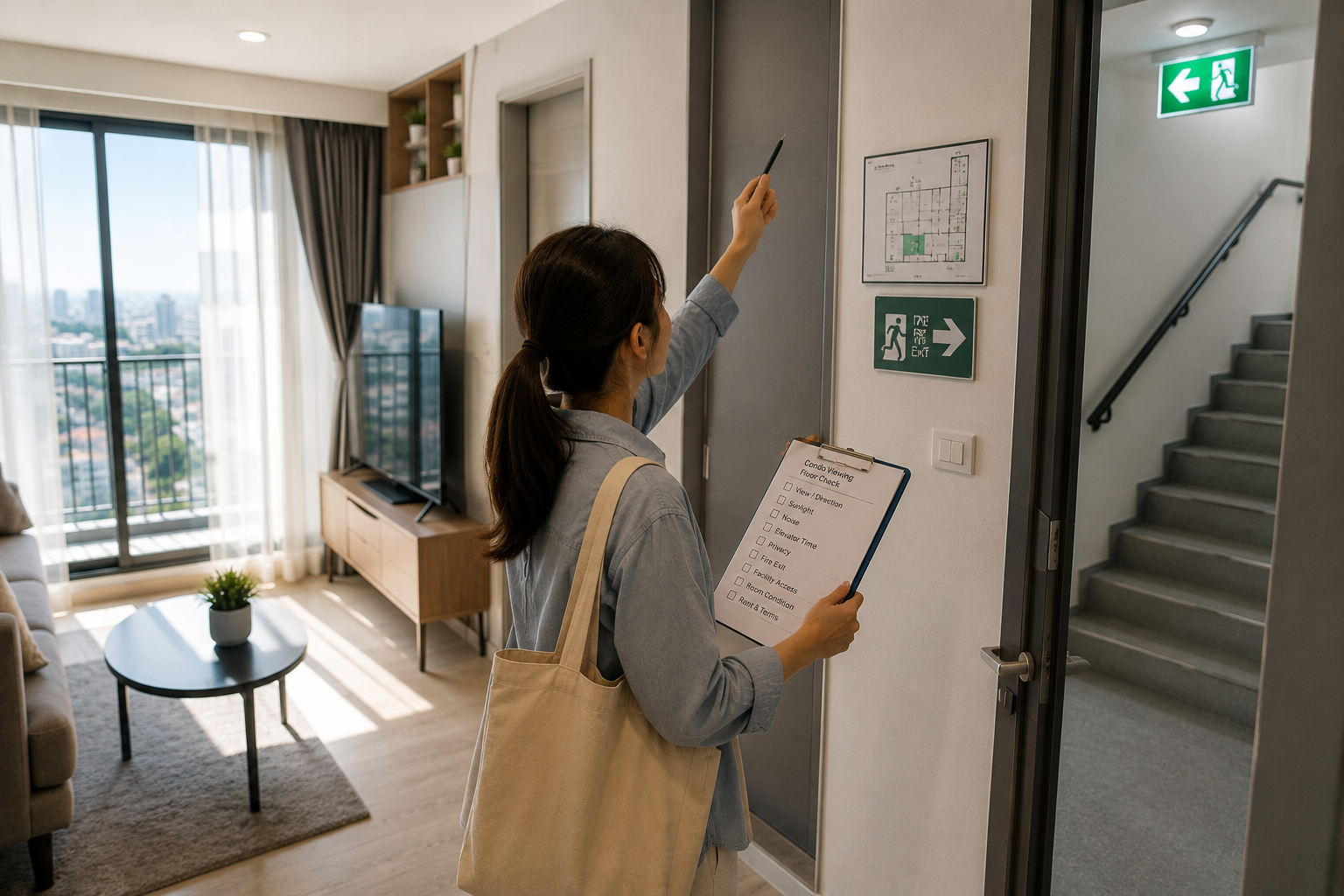
- Do you value the view or convenient access more?
- Are you afraid of heights?
- Is the lift wait long during rush hour?
- When does the room receive sunlight, and does it become hot?
- What is the noise from the road, lifts, common areas, or parking like?
- Do the balcony and windows provide privacy?
- Are the fire stairs and emergency exits nearby?
- Is the higher rent for a high floor worthwhile in actual daily life?
- Does the low floor have limitations involving the view, noise, or privacy?
- Are the lease, deposit, and costs clear?
Conclusion
High-floor and low-floor condos have different benefits. A high floor may suit someone who wants a view, privacy, and an open atmosphere, while a low floor may suit someone who wants convenient access, dislikes heights, or frequently uses common areas. With either choice, check the noise, light, lifts, heat, privacy, escape routes, and total costs before deciding.
Before transferring money or signing a lease, view the actual room, inspect its condition, verify the landlord, read the lease, and keep evidence every time. Baandeego is only a real estate listing platform and is not involved in bookings, payments, contracts, room inspections, or verification of floor and building-condition information on behalf of users.
English summary: High floors and low floors can both be good choices. The best floor depends on view, noise, sunlight, elevator time, emergency access, lifestyle, rent, and comfort.
FAQ
1. Is Renting a High-floor Condo Better Than a Low-floor Condo?
Not always. A high floor may offer a better view and more privacy, but you need to consider the lifts, sunlight, wind, and evacuation. A low floor may offer more convenient access, but you need to check noise and privacy.
English: Not always. High floors may offer views, while low floors may be more convenient.
2. Are Low-floor Condos Always Noisy?
Not always. It depends on the room's position, the building, and the surrounding areas. If a low-floor room is not beside a road, lobby, swimming pool, or parking area, it may be quiet and practical.
English: Not always. Noise depends on room location, building layout, and surrounding areas.
3. What Is Most Important to Check Before Choosing a Condo Floor?
Check the view, noise, sunlight, lifts, escape routes, privacy, rent, and actual daily living conditions. Do not choose based only on the floor number or listing photos.
English: Check view, noise, sunlight, elevator access, fire exit, privacy, rent, and daily comfort.
Platform Use Disclaimer
This website is only a real estate listing platform.
Users should verify information, documents, and conditions by themselves.
This website is only a real estate listing platform.
Users should verify information, documents, and conditions by themselves.
Baandeego is not a broker and is not a party to any rental, purchase, sale, booking, payment, contract, ownership transfer, room inspection, document check, owner verification, building inspection, safety-system inspection, deposit receipt, refund, or coordination on behalf of users. It is not responsible for disputes among users, buyers, tenants, owners, sellers, landlords, agents, juristic persons, banks, service providers, or relevant authorities. All parties should independently verify the information, documents, terms, costs, and applicable laws before making a decision.
References
- Office of the Consumer Protection Board, Thailand: https://www.ocpb.go.th/index_en.php
- Department of Lands, Thailand: https://www.dol.go.th/
- Department of Disaster Prevention and Mitigation, Thailand: https://www.disaster.go.th/about/organization