Checklist Before Renting a Condo Directly from an Owner in Thailand

Renting a condo directly from an owner appeals to many people because they can discuss the terms directly with the unit owner, including the rent, deposit, move-in date, furniture, and rental contract. This is especially common in popular areas such as Pattaya, Bangkok, Phuket, Chiang Mai, and other tourist cities.
However, a condo offered directly by its owner is not automatically safe. Tenants should carefully verify the information themselves before transferring money, particularly the landlord's identity, right to rent out the unit, actual condition of the unit, rental contract, deposit, utilities, and proof of payment.
English summary: Renting directly from an owner can be convenient, but tenants should verify the room, owner authority, contract, deposit, utilities, and payment records before transferring money.
1. Verify That the Unit Exists and Matches the Listing
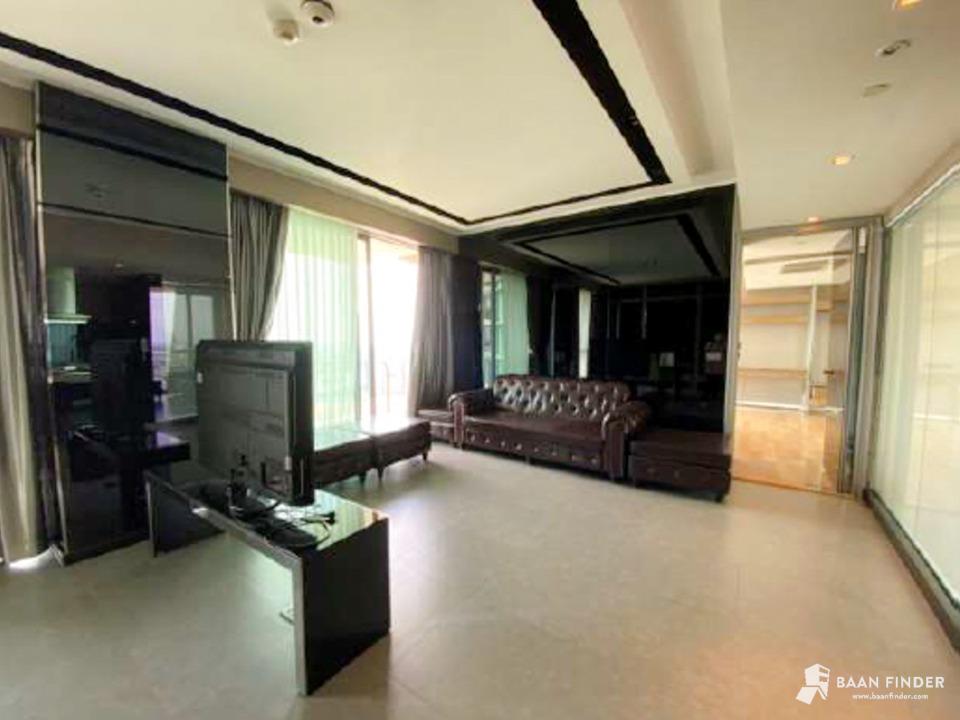
The first step before renting a condo directly from an owner is to confirm that the unit exists and matches the listing photographs. Tenants should not decide based only on attractive photos, a low price, or appealing text, because the images may be old, may show a display unit, or may not reflect the unit's current condition.
- Request the condominium name, floor, unit number, and exact unit location
- Arrange to view the actual unit before transferring money, if possible
- If you are in another province or country, request a live video call showing the unit's current condition
- Check whether the view, furniture, and unit condition match the listing
- Be cautious of listings with highly polished photos but incomplete unit details
If the advertiser refuses to show the actual unit or join a video call, or pressures you to transfer money before viewing the unit, proceed cautiously and investigate further before deciding.
English summary: Always verify that the room exists and matches the listing photos. A real viewing or live video call can reduce risk.
2. Verify That the Owner Is Entitled to Rent Out the Unit
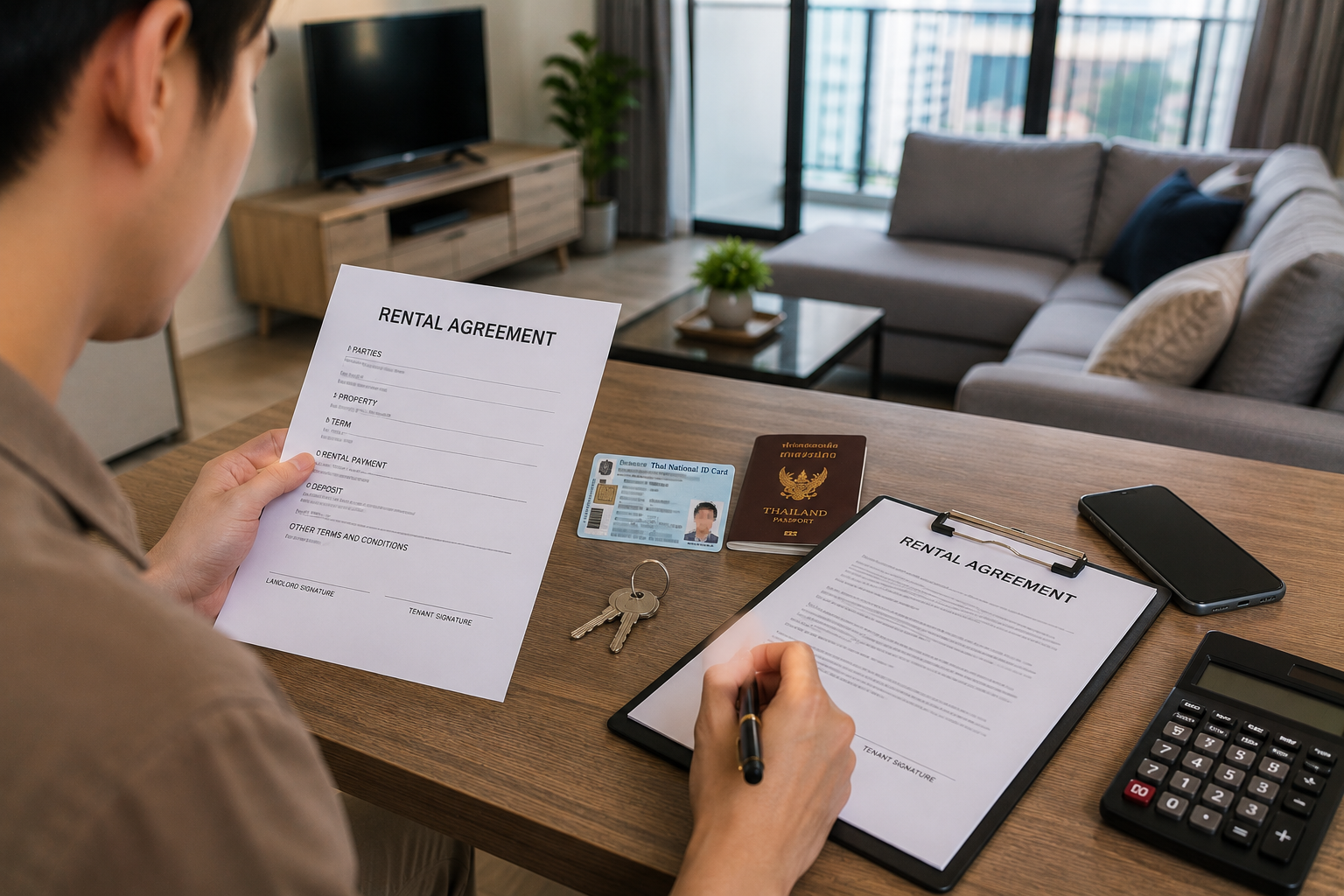
When renting a condo directly from an owner, verify that the other party is the actual unit owner or a person properly entitled to rent it out, such as someone holding a power of attorney from the owner or an authorized property manager. Tenants should not transfer money to someone who cannot clearly explain their connection to the unit.
- Request appropriate identity confirmation from the landlord
- Request evidence of their connection to the unit, such as the owner's name on a document or a power of attorney, if applicable
- As far as possible, check that the payment recipient's name is consistent with the contracting party
- If the person is a property manager, ask whether they have a power of attorney or evidence from the owner
- Avoid transferring money to an account whose holder is not named in the contract or whose role is not clearly explained
Document requests should be reasonable and respect both parties' personal information. When important documents must be shared, unnecessary information should be redacted, and the documents should be used only for the purpose of entering into the contract.
3. Check the Deposit and Move-In Costs
Before agreeing to rent, tenants should ask for every cost due on the move-in date, not just the monthly rent. Depending on the terms of the unit and building, costs may generally include a deposit, advance rent, initial outstanding utility charges, internet, or other service fees.
- How much is the monthly rent?
- How many months' deposit is required?
- How many months' rent must be paid in advance?
- Are there additional cleaning, internet, or parking fees?
- When will the deposit be refunded after move-out?
- In what circumstances may deductions be made from the deposit?
The deposit terms should be clearly stated in the rental contract and should not be agreed only verbally. If the owner says deductions may be made, the reasons and calculation method should be clear, such as for outstanding utilities, damage, or breach of contract.
English summary: Ask for the full move-in cost, including deposit, advance rent, utilities, parking, and refund conditions before paying.
4. Read the Rental Contract Before Transferring Money
The rental contract is the most important document in a condo rental. Tenants should read it before transferring money or receiving the keys and should always keep a fully signed copy. If any wording is unclear, ask about it or request a revision before signing.
- Do the tenant's and landlord's names match their documents?
- Are the condominium name, unit number, floor, and address clearly stated?
- Are the rent, payment date, and payment method stated?
- Are the deposit, advance rent, and refund terms stated?
- Are the contract term and the start and end dates stated?
- Is there an inventory of furniture and appliances?
- Is responsibility for water, electricity, internet, and common-area fees stated?
- Are the cancellation and notice terms stated?
If the contract is in both Thai and English, check that the content is consistent and ask clearly which version is the principal reference. This article provides general information, not legal advice. Consult a professional if there is a dispute or the terms are complex.
English summary: Read the rental contract before paying. It should clearly cover rent, deposit, lease term, utilities, furniture, cancellation, and refund conditions.
5. Check Water, Electricity, and Internet Charges
Water, electricity, and internet have a significant effect on a tenant's monthly expenses. Before signing the contract, tenants should ask whether charges are based on actual bills or per-unit rates set by the owner or building.
- Is electricity charged according to the electricity authority bill or per unit?
- Is water charged according to the water authority bill or per unit?
- Who pays the bills, and when are they due?
- Is internet included in the rent?
- May the tenant arrange their own internet installation?
- Is there a penalty for late utility payments?
Electricity and water rates may change under announcements by the relevant authorities, and some condominiums may bill through the condominium juristic person. Tenants should therefore always check the actual building and rental contract terms.
English summary: Utility billing can vary. Ask whether electricity and water are billed by official meter, building rate, or owner-agreed rate.
6. Inspect the Actual Unit Before Receiving the Keys
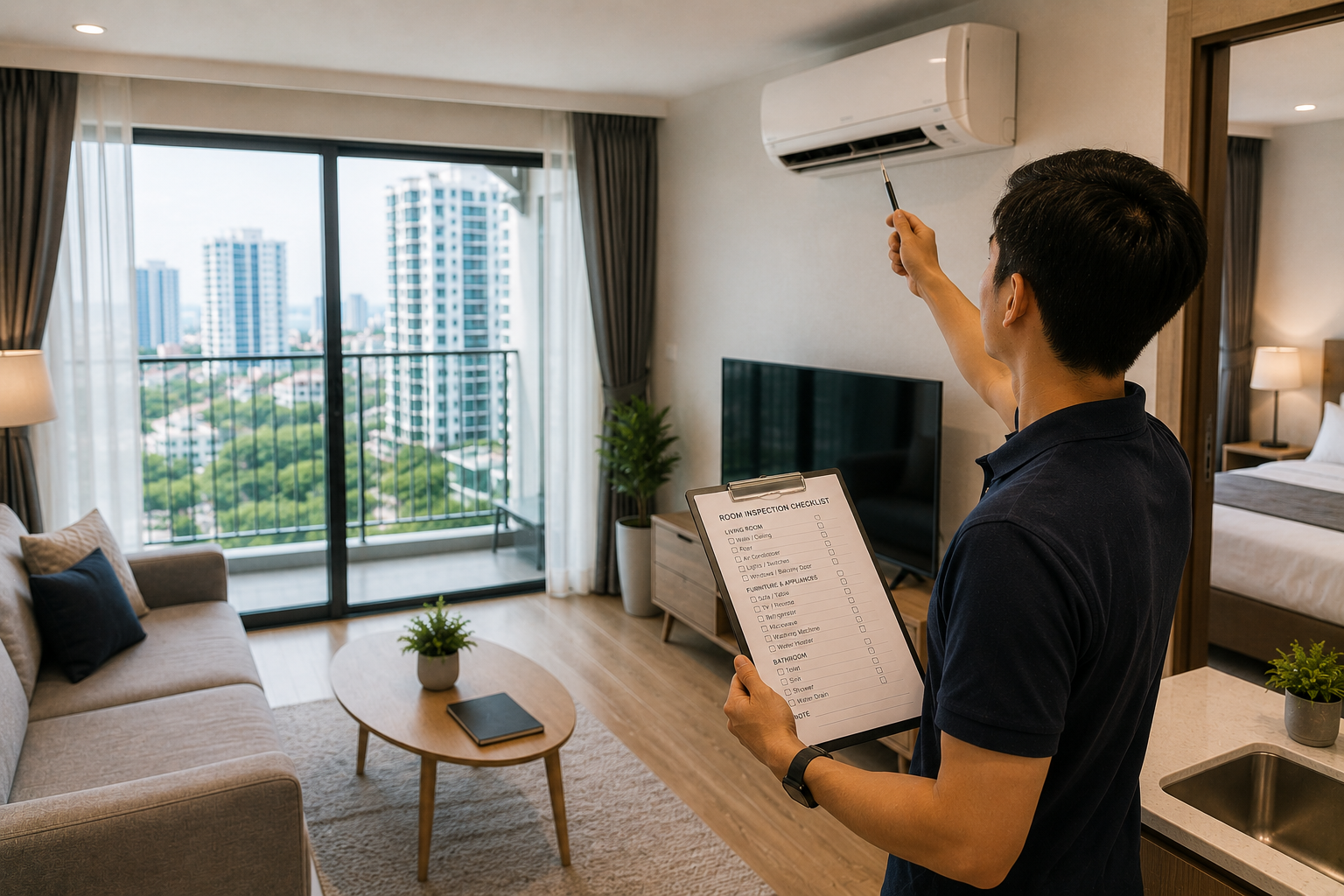
Before receiving the keys and moving in, tenants should inspect the unit carefully and take photographs or videos as evidence. The condition before move-in affects the deposit refund at move-out, so any issues found should be recorded from the first day.
- Photograph every part of the unit before moving in
- Check the floor, walls, soffits, ceiling, and balcony
- Check whether the air conditioner cools, drips, or has an odor
- Check the refrigerator, washing machine, microwave, and water heater
- Check sanitary fixtures, pipes, the washbasin, and shower
- Check electrical outlets, lighting, and all remote controls
- Record the water and electricity meter readings on the move-in date
- Send the issue list to the owner through chat or in a document for acknowledgment
If any equipment is damaged before move-in, photograph it and notify the owner immediately. Do not wait until the move-out date, because this could lead to a misunderstanding that the tenant caused the damage.
7. Check Building Rules, Parking, and Pets
Although the unit owner may agree to the rental, the tenant must still comply with condominium juristic person rules, such as resident registration, use of common facilities, parking, moving belongings, receiving guests, and pet rules.
- Must residents register with the juristic person?
- May tenants use the swimming pool, fitness center, and common areas?
- Is parking available, and does it cost extra?
- Are pets permitted?
- Are there designated times for moving belongings?
- What documents are required for move-in?
- Are there additional occupancy restrictions?
Pet rules deserve particular attention because some buildings do not allow pets even when the unit owner has no objection. If a tenant has a pet, the condition should be included in the contract or confirmed in writing.
English summary: Building rules may affect parking, pets, moving time, visitor registration, and facility access. Check them before signing.
8. Be Wary of Urgent Transfer Requests
One risk of renting a condo directly from an owner is being pressured to transfer money before verifying the information. Tenants should be cautious of listings with unusually low prices, owners who refuse to show the actual unit, or claims that many people are waiting to reserve it, used to pressure them into transferring money immediately.
- Do not transfer money before inspecting the actual unit or seeing it by video call
- Do not transfer money to an account unrelated to a contracting party without a clear reason
- Do not send complete personal documents when this is not yet necessary
- Always request a receipt or proof that the money was received
- Keep all transfer slips, chat history, and documents
- If something seems wrong, stop and investigate further before paying
If a dispute arises concerning the rental, deposit, or contract terms, tenants can review information or consumer complaint channels from relevant authorities such as the Office of the Consumer Protection Board. However, the facts and supporting documents for the specific case should be checked thoroughly.
9. Documents and Evidence to Keep
Keeping documents and evidence is very important when renting a condo because they can establish the agreement and condition of the unit if a misunderstanding or dispute arises later.
- A copy of the fully signed rental contract
- Receipts for the deposit and advance rent
- Every transfer slip
- Photos or videos showing the unit's condition before move-in
- The furniture and appliance inventory
- Chat history with the owner or landlord
- Water and electricity meter readings on the move-in date
- Evidence of repair requests or problems with the unit
Keep this evidence for the entire contract term and for a period after moving out, until the full deposit has been refunded or the expense account has been settled.
English summary: Keep the signed contract, receipts, transfer slips, room photos, meter readings, inventory list, and chat records until the rental is fully closed.
10. Short Checklist Before Renting a Condo Directly from an Owner
- You have viewed the actual unit or seen its current condition by video call
- You have verified the landlord's identity and right to rent out the unit
- You know the rent, deposit, advance rent, and all move-in costs
- You have read every provision of the rental contract
- You know how water, electricity, and internet charges are calculated
- You have checked building rules, parking, and pet rules
- You have checked the condition of the unit, air conditioner, furniture, and appliances
- You have photographed the unit and recorded meter readings before moving in
- You have received a receipt or proof that the money was received
- You have retained the transfer slips, documents, and chat history
Summary
Renting a condo directly from an owner in Thailand is possible and may let tenants discuss the terms more clearly. However, tenants must verify every step themselves, from the actual unit, owner's identity, and right to rent it out to the deposit, contract, utilities, building rules, and proof of payment.
Most importantly, do not rush to transfer money before completing all checks. Do not rely only on listing photographs or claims, and always keep all evidence. Careful checks from the outset can reduce risk and make the rental process more orderly.
English summary: Direct owner rental can be practical, but tenants should verify everything before payment and keep written proof throughout the rental period.
FAQ
1. Is It Safe to Rent a Condo Directly from an Owner?
It can be done, but tenants must verify the information themselves, including the actual unit, owner's identity, right to rent out the unit, contract, deposit, and proof of payment. Do not transfer money before checking important information.
English: It can be done, but tenants must verify the room, owner authority, contract, and payment proof.
2. What Documents Should I Request Before Transferring a Deposit?
Request the rental contract or a document setting out the rental terms, appropriate identity confirmation for the contracting party, evidence of the right to rent out the unit, and full cost details. Always request a receipt or proof that the money was received after paying.
English: Ask for rental terms, identity confirmation, rental authority proof, total cost details, and a receipt.
3. What Should I Do If the Unit Does Not Match the Listing Photos?
Pause the decision and request more information. If you have not yet transferred money, consider checking another unit instead. If you have already transferred money, keep all evidence, such as the listing photos, chats, transfer slips, and documents, for discussions with the contracting party or to seek guidance from a relevant authority.
English: Stop and verify. If payment was already made, keep all records and seek proper advice if needed.
Platform Use Disclaimer
This website is only a platform for real estate listings.
Users should verify information, documents, and all conditions themselves.
This website is only a real estate listing platform.
Users should verify information, documents, and conditions by themselves.
Baandeego is not a broker and is not a party to any rental, purchase, sale, reservation, payment, contract, or ownership transfer. It is not responsible for disputes among users, tenants, owners, sellers, or related persons. Every party should independently verify the information, documents, conditions, and applicable laws before making a decision.
References / Sources
- Provincial Electricity Authority — Electricity Tariff: https://www.pea.co.th/en/our-services/tariff
- Provincial Waterworks Authority — Water Tariff Rate: https://en.pwa.co.th/contents/service/table-price
- Office of the Consumer Protection Board — Official website: https://www.ocpb.go.th/index_en.php
- Office of the Consumer Protection Board — Online complaint system: https://complaint.ocpb.go.th/