Minor Condo Repairs: Who Should Pay the Costs?
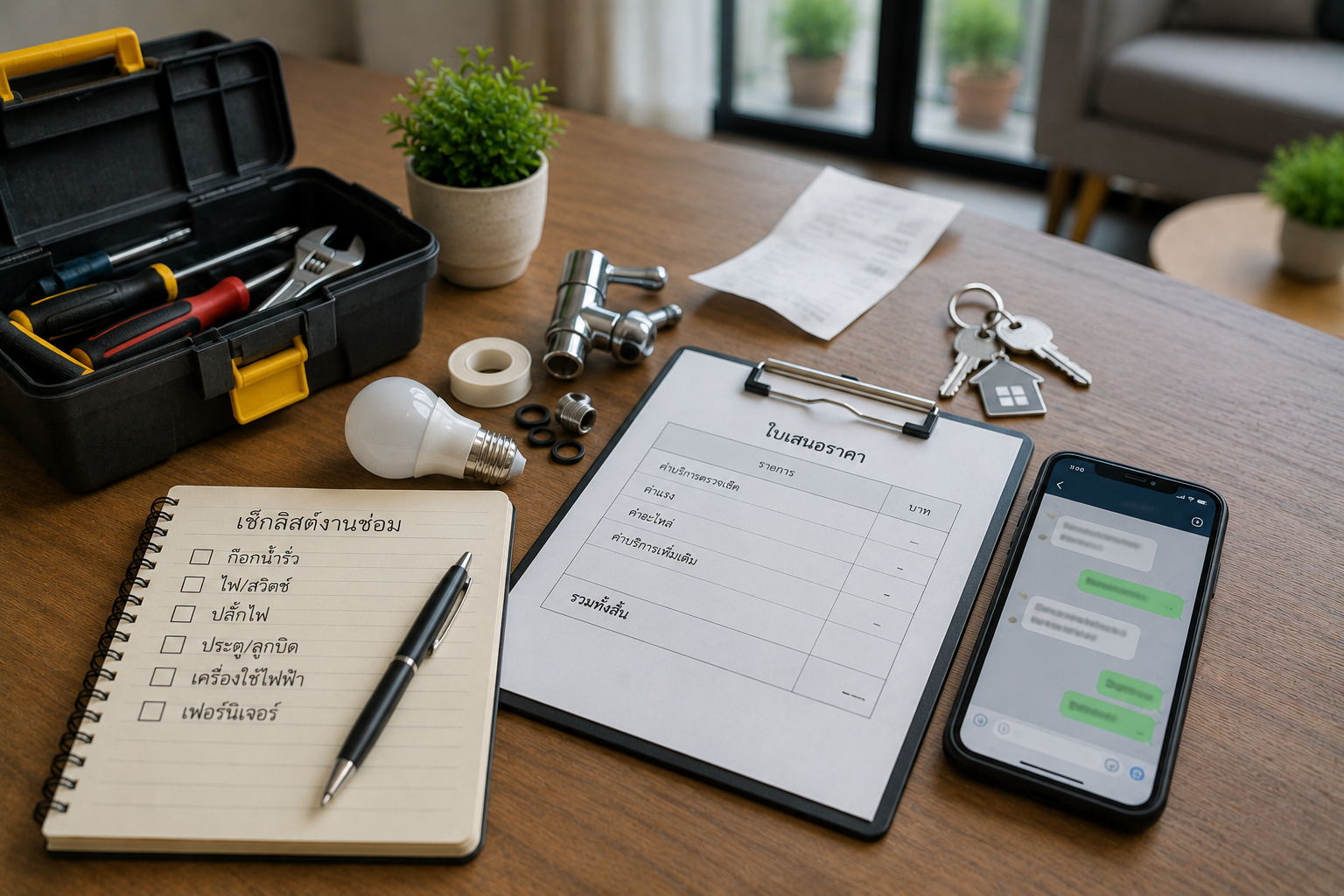
Minor condo repairs are something tenants, unit owners, and condo buyers often encounter after moving in, such as leaking faucets, failed light bulbs, sticking doors, loose doorknobs, faulty electrical outlets, blocked drains, broken air conditioner remotes, or damaged furniture. The key question is, "Who should pay for the repair?" This should not be decided on feelings alone. The contract, the condition of the unit when it was handed over, the cause of the problem, and the available evidence should all be reviewed.
For a rental unit, the tenant should notify the owner or landlord in writing before calling a technician, especially for work involving electricity, plumbing, air conditioning, the owner's furniture, or the unit's structure. For an owner-occupied unit, the owner should determine whether the problem is within the unit's private area or relates to common areas and building systems, which may require coordination with the Condominium Juristic Person.
English summary: Small condo repair costs in Thailand depend on the rental contract, cause of damage, move-in condition, evidence, and whether the issue is inside the unit or related to common building systems.
1. What Should You Check First About Condo Repair Costs?
The first thing to review is the rental contract or the agreement between the owner and tenant, because it may specify who is responsible for minor repairs, major repairs, replacement equipment, spare parts, or technician service fees. In some cases, the contract may set a cost limit, such as making the tenant responsible for minor repairs up to a certain amount, or making the owner responsible for damage caused by normal use.
- Does the contract address repair costs?
- Does it distinguish between minor and major repair costs?
- Is there a repair cost limit for which the tenant is responsible?
- Must the owner be notified before a technician is called?
- Must a technician selected by the owner or Juristic Person be used?
- Must receipts or photographs be retained?
Do not rely solely on a verbal agreement. If the contract is unclear, ask the owner or landlord to summarize the terms in a chat message or document before the repair proceeds.
English summary: Always check the rental contract first. Repair cost responsibility should be written, not only verbally agreed.
2. Did the Problem Arise Before or After Move-In?
If the problem already existed on the first day of occupancy, such as a faucet that leaked when the keys were received, an air conditioner that did not cool from day one, or an electrical outlet that did not work before belongings were moved in, the tenant should take photographs or video and notify the owner immediately. This is important evidence that the problem may have existed before the tenant began using the unit.
- Was the problem found during the viewing or on the day the keys were received?
- Are there photographs or videos from before move-in?
- Was the owner notified on the first day?
- Is there a message confirming that the owner will arrange the repair?
- How long after use did the problem arise?
The sooner the problem is reported, the lower the risk of misunderstanding. If several weeks or months pass, it may be difficult to prove whether the problem arose before or after the tenant moved in.
3. Damage from Normal Use or Misuse
Identifying the cause of the problem is very important because responsibility for repair costs may depend on whether the damage resulted from normal use, the age of the equipment, or misuse. Examples of misuse include dropping an object onto a washbasin, overloading an electrical outlet, modifying equipment without permission, or putting objects down a drain until it becomes blocked.
- Has the equipment deteriorated with age?
- Did it fail through normal use?
- Did it fail because of an accident or misuse?
- Was it repaired or modified before the owner was notified?
- Is there evidence from a technician identifying the cause?
If the cause is uncertain, ask a technician or specialist to inspect it and state the cause in the quotation or work order. This can support the agreement on costs between the owner and tenant.
English summary: Repair responsibility often depends on whether the damage came from normal wear, age, accident, or misuse.
4. Minor Repairs Commonly Needed in Condos
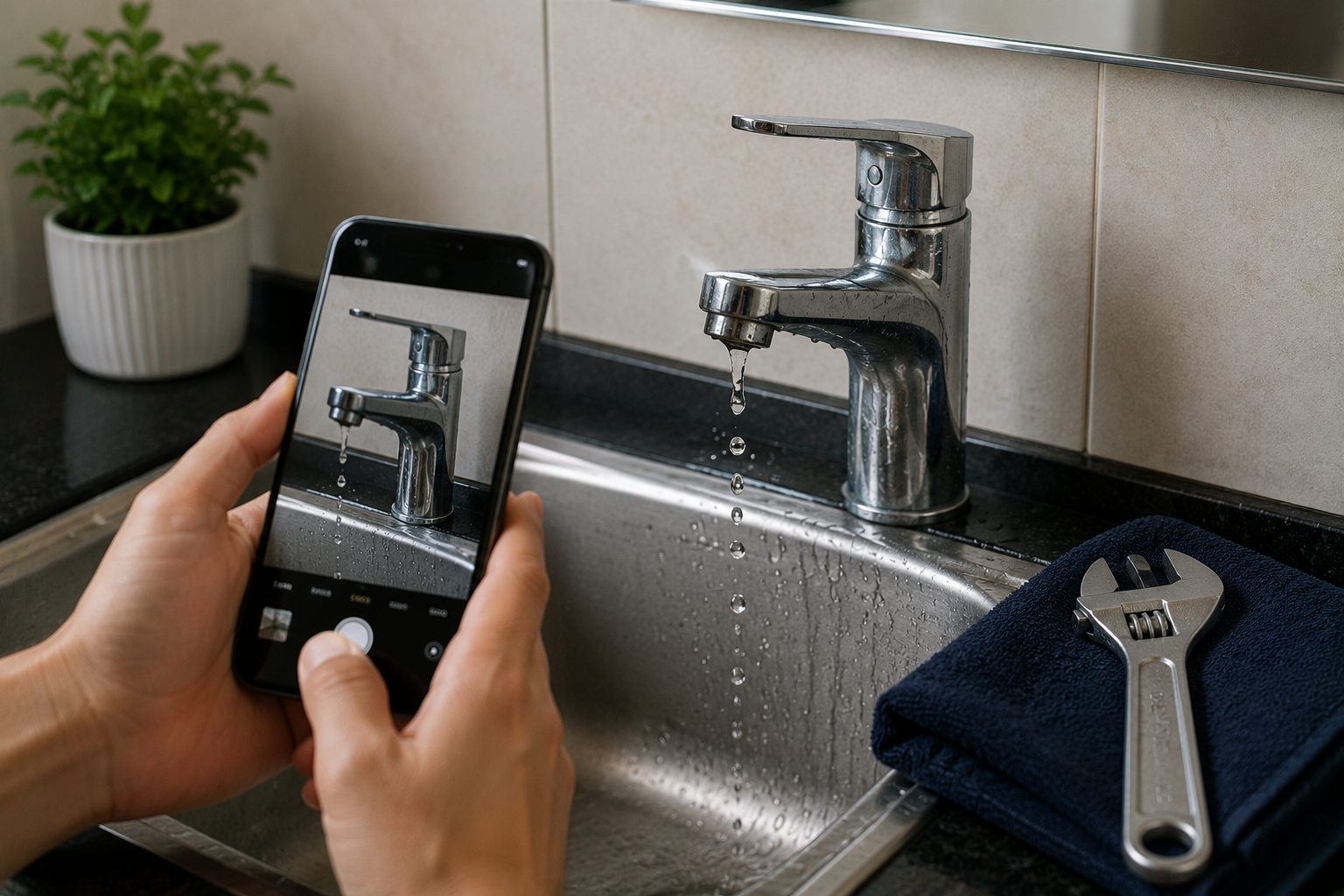
There are many kinds of minor condo repairs. Some may be straightforward, but others involve electrical systems, water, or safety and therefore require a suitable technician. Do not attempt repairs yourself without the necessary knowledge.
- Replacing light bulbs or certain light switches
- Repairing a leaking faucet or bidet spray hose
- Performing initial work on a blocked drain
- Repairing hinges, cabinets, drawers, or sticking doors
- Replacing a doorknob or door bolt
- Repairing an air conditioner or television remote
- Fixing a loose electrical outlet, which should be inspected by an electrician
- Repairing furniture supplied with the unit
If a repair involves electricity, a water leak, or a permanently installed fixture, notify the owner and Juristic Person first, especially in a rental unit or a condo with rules governing technicians working in the building.
5. Repairs You Should Not Do Yourself
Some jobs may appear minor but present safety risks or could make the damage worse. Without the necessary knowledge, do not attempt them yourself. If the contract requires advance notice, do not call a technician without first notifying the owner.
- Electrical work involving outlets, switches, circuit breakers, or wiring
- Water leaks affecting a neighboring unit or the unit below
- Air conditioner work involving a compressor, refrigerant, or drainpipe
- Work requiring drilling into walls or ceilings
- Work involving the structure or common areas
- Work requiring water or electricity to be shut off across a floor or the entire building
Attempting a repair without the necessary knowledge may cause further damage and could affect responsibility under the contract. For a rental unit, always notify the owner before proceeding.
English summary: Do not repair electrical, plumbing, aircon, structural, or common-area related issues yourself unless properly qualified.
6. When Must the Juristic Person Be Notified?
Many condos have rules for bringing technicians into the building. Technicians may have to register, observe specified working hours, use the service elevator, or avoid noisy work during certain periods. Some problems may also involve building systems, such as common water pipes, exterior walls, balconies, common electrical systems, or shared drainage pipes.
- Must external technicians register?
- During what hours may they work?
- Must they use the service elevator?
- Must noisy work or wall drilling be reported?
- Does the problem involve a common area?
- If water leaks into another unit, who must be notified immediately?
If you are unsure whether the problem is inside the unit or in a building system, ask the Juristic Person before calling a technician yourself. Repairing the wrong area could create unnecessary expense.
7. How Do Owner-Occupied and Rental Units Differ?
For an owner-occupied unit, the owner is generally responsible for repairs within the unit. If a problem concerns a common area or building system, the owner should coordinate with the Condominium Juristic Person. For a rental unit, the tenant must check the rental contract to determine who is responsible for each type of repair.
- Owner-occupied unit: the owner should determine whether the problem is in a private or common area
- Rental unit: the tenant should notify the owner before arranging repairs
- Rental unit: costs depend on the contract and the cause of the damage
- The Juristic Person should always be notified of work affecting building systems
- Permission should be obtained before any drilling or modification
A Condominium Juristic Person generally has a role in maintaining common property and managing the building. Problems within a unit's private area should be assessed against the title documents, building rules, and applicable Juristic Person regulations.
English summary: Owners usually handle in-unit repairs, while common-area or building system issues may involve the juristic office. Tenants should follow the rental contract.
8. How Should You Notify the Unit Owner?
For a rental unit, notify the owner in writing, such as by chat or email, and include photographs and videos. Do not rely only on a verbal report, because this evidence can be reviewed later if a dispute arises over repair costs or the security deposit.
- State the date and time when the problem was found
- Send photographs or video of the problem
- Explain how it occurred
- Ask which technician the owner wants to use
- Ask who is responsible for the cost
- Obtain permission before repairing it if you must hire a technician yourself
For an urgent issue, such as a water leak, electrical short circuit, burning smell, or risk to another unit, immediately notify both the owner and the Juristic Person and retain all evidence.
9. What Should You Ask Before Calling a Technician?
Before hiring a technician, ask for the details to avoid hidden costs or later misunderstandings, especially for repairs that may require additional parts.
- Is there an inspection or call-out fee?
- How is labor charged?
- Are parts included in the price?
- Is there a charge if the problem cannot be repaired?
- Will a receipt or work order be provided?
- Is the repair covered by a warranty?
- Who is responsible if damage occurs during the repair?
For a rental unit, ask the owner whether you must use the owner's technician. If the tenant calls a technician without permission, reimbursement may be refused or a dispute may arise later.
English summary: Ask about inspection fees, labor, parts, receipt, repair warranty, and damage responsibility before hiring a technician.
10. Evidence to Keep Every Time

Evidence is very important for condo repairs, especially in rental units, because it can confirm the condition before and after the repair, the costs, and the agreement on responsibility between the owner and tenant.
- Photographs or video before the repair
- Chat messages notifying the owner or landlord
- Quotation
- Work order or receipt
- Bank transfer slip
- Photographs after the repair is complete
- A message confirming who is responsible for the cost
If the security deposit is later deducted or repair costs are charged, this evidence will help identify which problem the expense concerns and what each party previously agreed.
11. When Should You Pay the Technician?
As a general rule, inspect the work before paying the full amount, especially when parts or a warranty are involved. Always request a receipt or other proof of payment. Do not pay cash or transfer money without evidence.
- Check whether the repair was completed as agreed
- Test the equipment after the repair
- Request a receipt or work order
- Ask for the warranty period, if any
- Retain the transfer slip and chat messages
- If it is a rental unit, notify the owner and send the evidence
If a dispute arises over repair services, payment, or quality of work, consumers can consult information from the Office of the Consumer Protection Board. Any action in a specific case should be based on the relevant evidence and facts.
English summary: Inspect the repair before full payment and keep receipts, transfer slips, chat records, and warranty details.
12. Common Examples of Dividing Responsibility
The following examples are general guidance only, not legal conclusions. Actual responsibility depends on the contract, the condition of the unit, the cause of the damage, and the relevant evidence.
- A light bulb fails through normal use: the tenant may be made responsible if the contract states this
- A faucet leaks from the first day: notify the owner immediately and review the evidence from the handover date
- An electrical outlet fails because of the existing system: ask a technician to inspect it and notify the owner
- A cabinet door comes off because of misuse: the cause and the agreement in the contract may need to be reviewed
- A drain is blocked by food scraps or objects put down it: this may relate to how it was used
- An air conditioner fails because of its age: review the contract and repair history
- Water leaks from a common pipe: notify the Juristic Person immediately
If responsibility is unclear, avoid arguing verbally. Use evidence such as photographs, the technician's work order, the contract, and written messages to reach a mutual conclusion.
13. Checklist Before Minor Condo Repairs
- Check the contract to see who is responsible for repair costs
- Take photographs or video before the repair
- For a rental unit, notify the owner or landlord in writing
- Ask the Juristic Person if the work involves building systems or an external technician
- Request a quotation before the repair
- Ask about labor, parts, inspection fees, and the repair warranty
- Agree on who will pay before work begins
- Inspect the work after the repair
- Keep receipts, transfer slips, chat messages, and post-repair photographs
- Do not attempt electrical, water leak, air conditioning, or structural repairs yourself without the necessary knowledge
Conclusion
Minor condo repairs may appear trivial, but without a clear agreement they can turn into disputes over repair costs, the security deposit, or later damage. Tenants and owners should start by reviewing the contract, identifying the cause of the problem, documenting the evidence, and agreeing on costs before calling a technician.
For rental units, tenants should always notify the owner before repairs, especially for work involving electricity, plumbing, air conditioning, the owner's furniture, or wall drilling. If the problem involves a common area or building system, coordinate with the Condominium Juristic Person before proceeding.
English summary: For small condo repairs, check the contract, document the problem, confirm responsibility in writing, and keep all receipts before and after repair.
FAQ
1. Who Should Pay for Minor Condo Repairs?
It depends on the rental contract, the cause of the damage, and the available evidence. If the damage existed before move-in, notify the owner immediately. Different terms may apply if the damage resulted from misuse. The agreement should be recorded in writing.
English: It depends on the contract, cause of damage, and evidence.
2. Can a Tenant Call a Technician Directly?
Check the contract and notify the owner first, especially for work involving electricity, water, air conditioning, or the owner's property. Calling a technician without notice may lead to a dispute over reimbursement.
English: Tenants should notify the landlord before hiring a technician.
3. What Evidence Should Be Kept for Condo Repairs?
Keep photographs from before and after the repair, chat messages with the owner, quotations, receipts, work orders, bank transfer slips, and a message confirming who is responsible for the cost. These can be reviewed if a dispute arises later.
English: Keep photos, chat records, quotes, receipts, work orders, and payment slips.
Platform Use Disclaimer
This website serves only as a platform for real estate listings.
Users should independently verify all information, documents, and conditions.
This website is only a real estate listing platform.
Users should verify information, documents, and conditions by themselves.
Baandeego is not a broker and is not a party to any rental, sale and purchase, reservation, payment, contract, ownership transfer, technician arrangement, or unit repair, and it is not responsible for any service. It is also not responsible for disputes among users, buyers, tenants, owners, sellers, landlords, service providers, repair technicians, the Juristic Person, or related persons. All parties should independently verify the information, documents, terms, costs, and applicable laws before making a decision.
References / Sources
- Office of the Consumer Protection Board, Thailand: https://www.ocpb.go.th/index_en.php
- DLA Piper REALWORLD — Thailand commercial leases and tenant maintenance overview: https://www.dlapiperrealworld.com/law/index.html?c=TH&s=managing-leased-real-estate&t=commercial-leases
- Thailand Law Library — Civil and Commercial Code lease-related repair provisions: https://library.siam-legal.com/thai-law/civil-and-commercial-code-exchange-section-552-563/