What to Check Before Reserving a New Condo Project in Thailand
Reserving a unit in a new condo project in Thailand is a step many people take before committing to a purchase, especially in cities with many new developments, such as Bangkok, Pattaya, Phuket, or Chonburi. Before paying, however, buyers should understand that a "reservation fee" is not merely a small expense. It marks the beginning of an agreement that may carry binding conditions under the project's documents.
Before reserving a new condo, check the location, developer, construction status, price, transfer-date costs, refund terms, contract, unit details, and related documents. Foreign buyers in particular should check the foreign quota and ownership conditions before paying.
English summary: Before reserving a new condo project in Thailand, buyers should verify the project, developer, location, reservation terms, payment conditions, contract, total costs, and foreign ownership rules if applicable.
1. Check What the Reservation Fee Is and Whether It Is Refundable
A condo reservation fee is money a buyer pays to express interest in or reserve the right to a selected unit. The conditions governing this fee can vary by project. In some cases it may be refundable, in others it may be nonrefundable, or it may be refundable only when an event specified in the reservation document occurs.
Before paying a reservation fee, read every line of the reservation form or acknowledgment, especially the sections on refunds, changing units, changing the buyer's name, cancellation, signing the subsequent agreement, and the deadline for the next payment.
- How much is the reservation fee?
- Is the reservation fee refundable?
- Under which circumstances is the reservation fee nonrefundable?
- How many days after reservation does the buyer have to sign the contract?
- If financing is not approved or documents are incomplete, will the reservation fee be refunded?
- Can the unit or the reserving party's name be changed?
English summary: Reservation money may or may not be refundable. Always read the reservation document before paying.
2. Check the Project Name and Developer
Before reserving a unit in a new condo project, check the project name, the developer's company name, and the project's official contact details. Do not pay through anyone whose identity or authority to receive funds cannot be confirmed, especially when responding to an online listing or an advertiser who is not using the project's official channel.
Buyers should verify information through the project's official website, sales office, company documents, or other reliable channels. If buying reservation rights from the original reserving party, check the original reservation documents, name-change conditions, and the project's consent before making any payment.
- Check the developer's company name
- Check the official contact channels
- Ask to see the reservation form or project documents
- Confirm whether the payment recipient is authorized to receive the funds
- Avoid transfers to personal accounts that cannot be clearly explained
3. Check the Project's Construction Status
A new condo project may be at one of several stages: newly launched, under construction, nearly completed, or completed. Buyers should clearly establish the project's current stage because the risks and necessary checks differ.
- If construction has not begun, check the scheduled construction start and the contract terms
- If the project is under construction, check progress and the scheduled handover
- If the project is nearly complete, ask about the unit inspection and transfer schedule
- If construction is complete, view and inspect the actual unit before paying
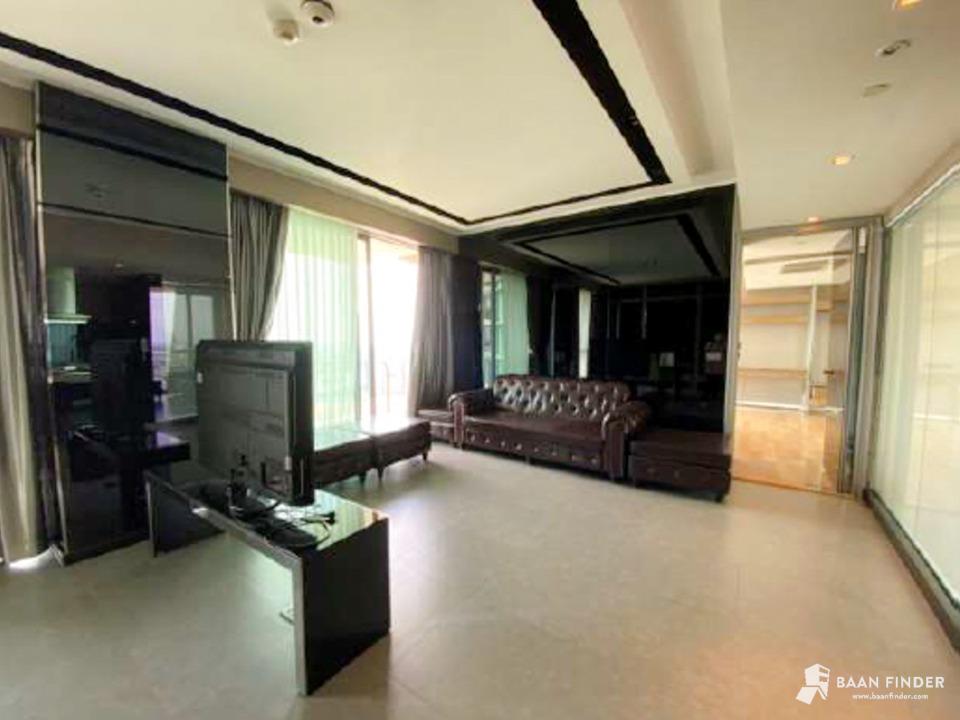
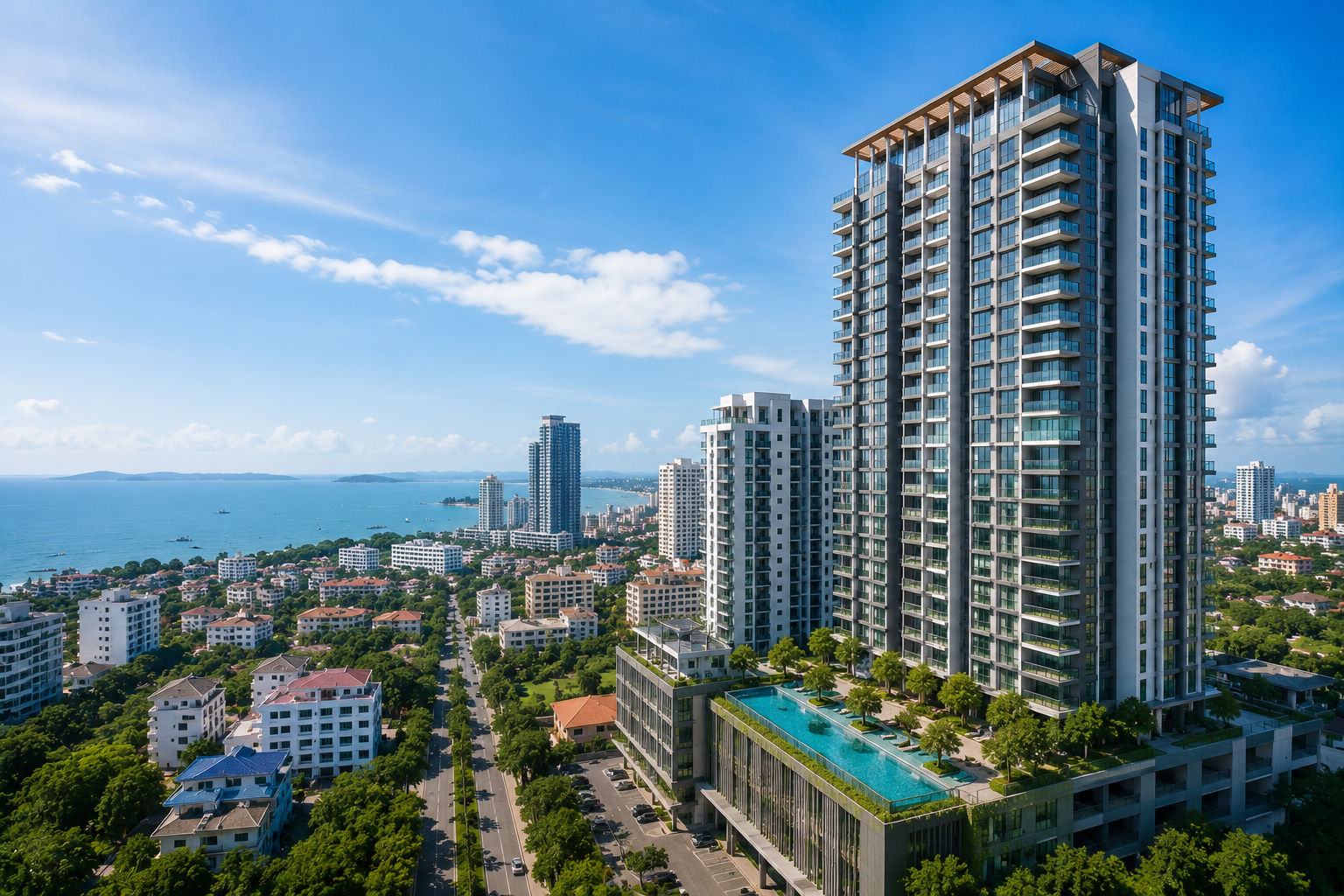
Do not decide based solely on 3D images, a show unit, or advertising claims, because the actual unit, view, materials, and project surroundings may differ from promotional images.
English summary: Off-plan, under-construction, nearly completed, and completed projects carry different risks. Confirm the exact project status before reserving.
4. Check the Actual Location and Transport
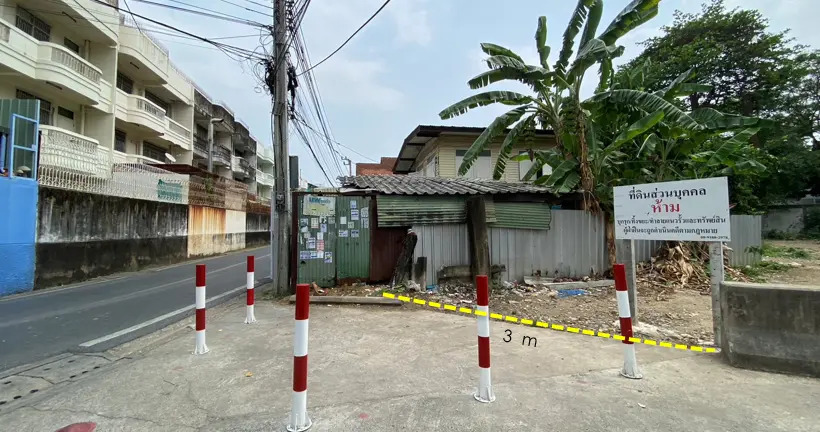
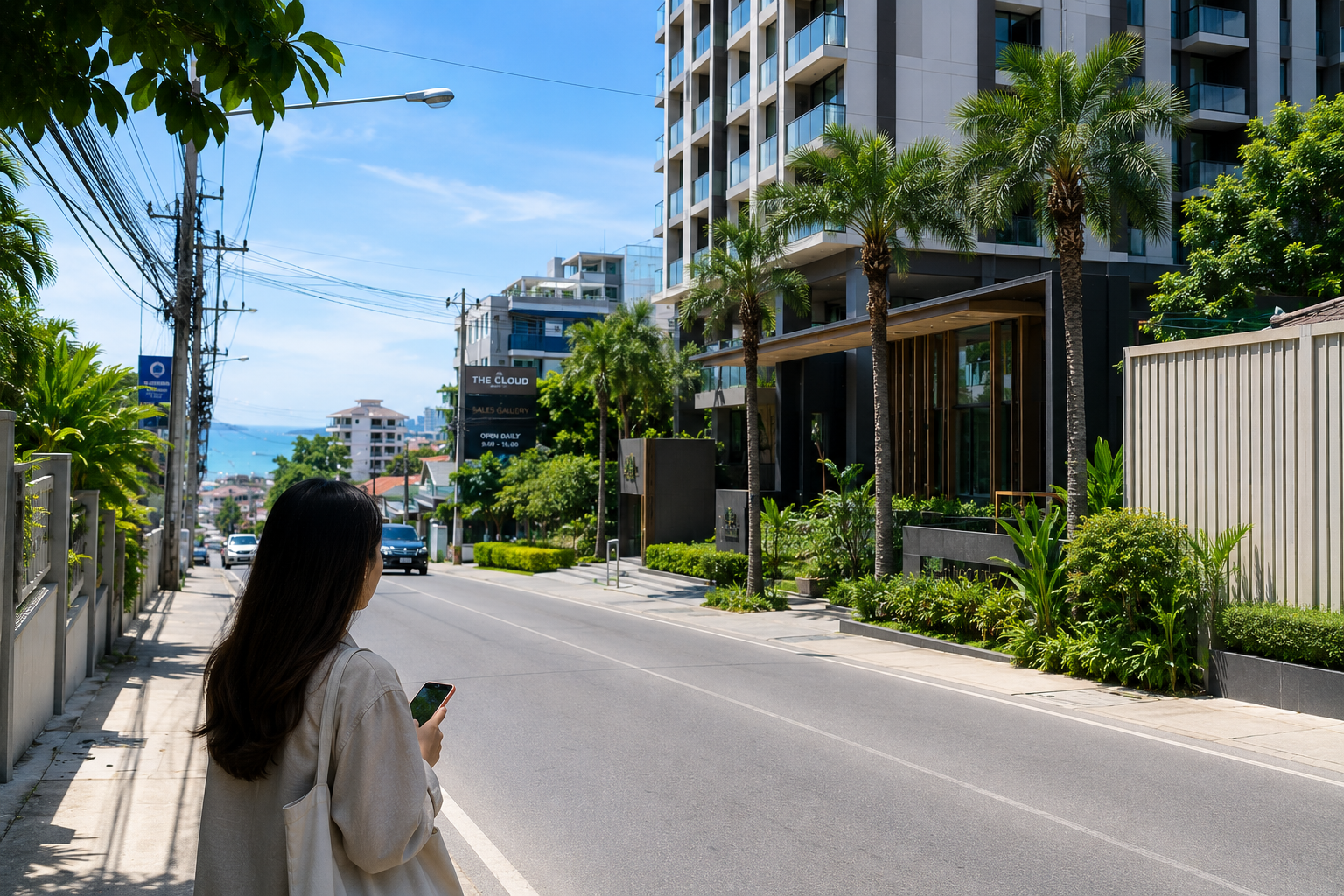
Location is one of the most important factors to check before reserving a new condo because the area name used in a listing may be broader than the reality. For example, "Pattaya" may refer to Central Pattaya, Jomtien, Naklua, Wongamat, Pratumnak, or nearby areas with different lifestyles.
Buyers should check the actual map, test the journey, and inspect the surroundings. Owner-occupiers should consider travel convenience to work, schools, hospitals, restaurants, or the beach. Those planning to rent the unit out in the future should consider tenant demand in the location, but should not expect guaranteed rental income.
- Distance from the main road
- Distance from the beach or a shopping center
- Road conditions and access routes
- Travel conditions during the day and at night
- Noise from roads, entertainment venues, or construction areas
- Suitability for actual residential use
5. Check the Sale Price and All Costs
The price shown in an advertisement may be a starting price or apply only to certain unit types. Before reserving, ask for the price, floor, size, view, and payment terms for the specific selected unit, as well as other expenses that may arise on or after the transfer date.
- The price of the specific selected unit
- The reservation fee, contract payment, and down payment
- Down-payment installment terms
- Transfer costs and related fees
- Taxes or expenses to be shared with the seller or project
- Common fees and the condominium sinking fund
- Furniture or appliance package costs, if any
Transfer costs, taxes, and fees may change under applicable laws and the conditions of each transaction. Buyers should verify the latest information with the project, the Land Department, or a professional before deciding.
English summary: The advertised starting price may not include all costs. Confirm the actual unit price, payment schedule, transfer fees, common fees, and other charges.
6. Check the Floor Plan, Actual Size, and Material Specifications
Before reserving, review the floor plan, unit position, sun exposure, view, balcony, and the materials actually included. Do not rely only on the show unit, which may contain additional decoration for sales purposes and may not match the standard specifications of the purchased unit.
- The unit size stated in the documents
- The unit's position in the building
- Sun and wind direction
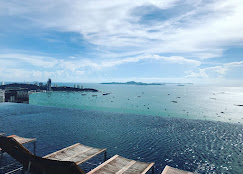
- The actual view from the selected floor
- Floor, wall, sanitary ware, and kitchen specifications
- Furniture and appliances included in the price
- Items not included in the unit price
If the terms "fully furnished" or "furnished" are used, request a written furniture list to prevent misunderstandings on the unit handover date.
7. Check the Contract Before Paying More
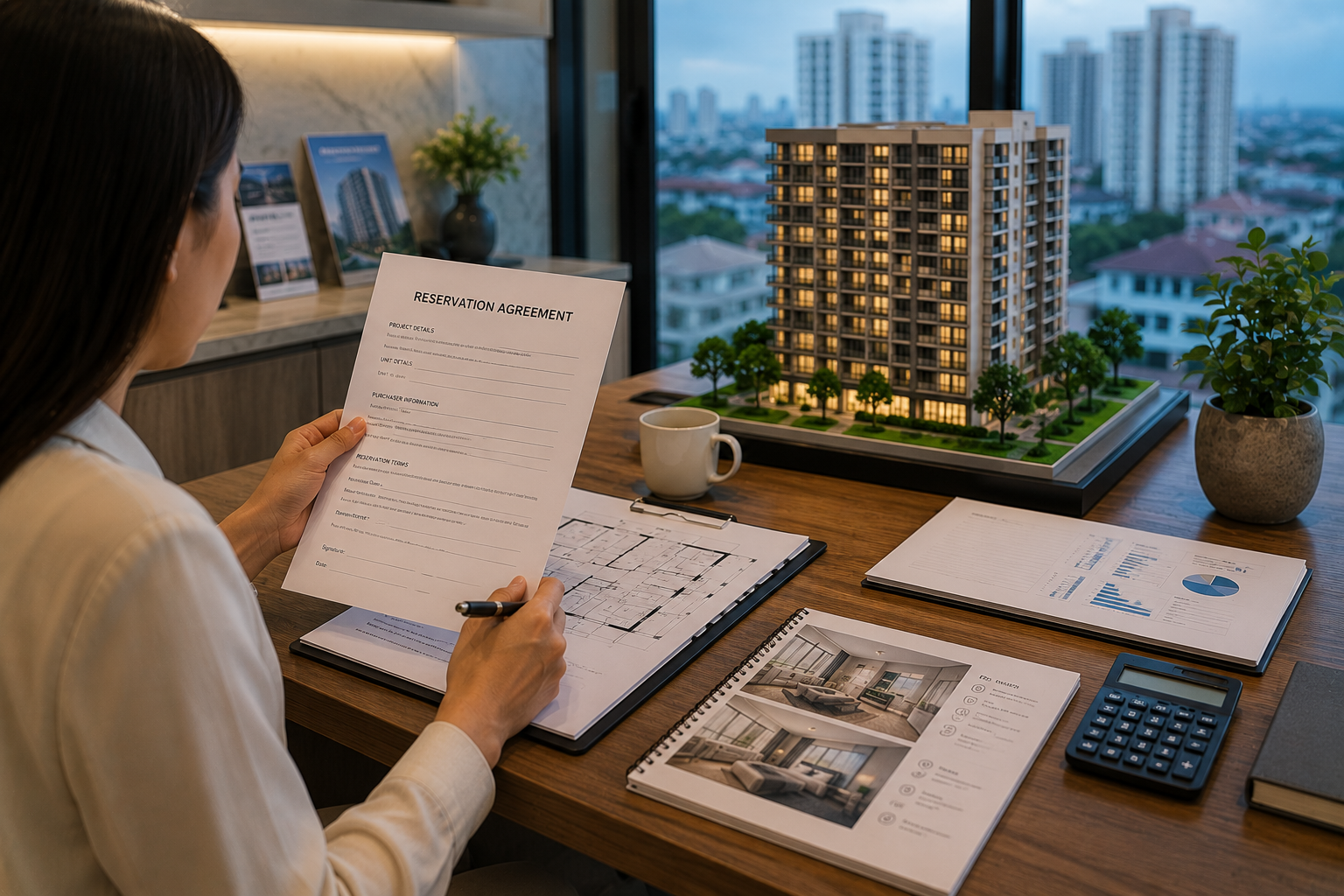
After reserving a new condo, a buyer may have to sign a sale and purchase agreement or another contract within a specified period. Read every detail before signing, and do not sign a document that still contains important blank fields or terms you do not understand.
- Buyer and seller details
- Unit details, size, floor, and unit number
- Purchase price and payment schedule
- Construction and transfer schedules
- Conditions if the project is delayed
- Cancellation or breach-of-contract terms
- Expenses for which each party is responsible
If a large amount of money or unclear terms are involved, have a legal professional or an experienced person review the contract before signing.
English summary: Read the purchase agreement carefully before signing or paying more. Key terms include unit details, payment schedule, transfer date, delay conditions, and cancellation terms.
8. Foreign Buyers Should Check the Foreign Quota
Foreigners who want to buy a condo in Thailand should check the ownership conditions under Thai law before reserving. Information from Thailand.go.th states that, under the Condominium Act, foreigners may own condominium units within the proportion prescribed by law and must obtain a foreign ownership quota certificate from the condominium juristic person to support the ownership transfer at the Land Department.
Before paying a reservation fee, foreign buyers should ask the project clearly whether the selected unit is within the foreign quota, which fund-transfer documents are required, and whether any conditions could affect the future ownership transfer.
- Is the unit within the foreign quota?
- Which documents are required for the ownership transfer?
- What are the conditions for transferring money from abroad?
- Can the project issue the required documents?
- Check with the Land Department or a professional before making a large payment
9. Check Building Rules and Future Rentals
If a buyer plans to rent out the unit in the future, the building rules should be checked before reserving. These may cover pets, parking, common-area use, short-term rentals, internet installation, and additional renovations.
Do not believe claims that a unit is "guaranteed to rent" or will provide "guaranteed returns." Rental demand depends on location, price, unit condition, seasonality, market competition, building rules, and economic conditions.
English summary: If future rental is part of your plan, check building rules first. Rental income or occupancy should not be treated as guaranteed.
10. Precautions When Using Online Listings or Contacting an Owner Directly
You can reserve a condo through an online listing or by contacting the owner directly, but check the information carefully. Do not transfer a reservation fee or deposit before confirming the recipient's identity, documents, and authority.
- Verify the advertiser's identity
- Check whether the advertiser is the owner, original reserving party, agent, or project
- Ask to see supporting documents before transferring money
- Check the payment account holder's name
- Always request a receipt or proof of payment
- Keep transfer slips, chat records, and all documents
- Do not transfer money because you are being pressured to decide quickly
Conclusion
Reserving a unit in a new condo project in Thailand should be done carefully because it involves a reservation fee, contract, payment conditions, and several document checks. Before deciding, buyers should check the actual location, developer, construction status, price, all costs, contract, unit details, and building rules.
Foreign buyers should check the foreign quota and ownership-transfer documents before paying a reservation fee. If there is any uncertainty about legal matters, taxes, fees, or contract terms, check with an official agency or professional before paying.
English summary: Condo reservation should be based on verified project details, clear payment terms, written documents, and legal checks. Users should avoid rushed transfers and keep all records.
FAQ
1. Is a Reservation Fee for a New Condo Project Refundable?
It depends on the terms in the reservation form or the documents for each project. In some cases it is refundable, in others it is nonrefundable, or it is refundable only when specified conditions are met. Buyers should always read the documents before paying.
English: Refundability depends on the reservation terms. Always read the document before paying.
2. Is Viewing a Show Unit Enough Before Reserving a New Condo?
Do not rely only on the show unit. Check the floor plan, actual size, unit position, view, material specifications, furniture included in the price, and contract documents because a show unit may be decorated with additional items for sales purposes.
English: A show unit is not enough. Check the actual floor plan, specifications, included items, and contract.
3. What Should Foreigners Check Before Reserving a Condo in Thailand?
Check whether the unit is within the foreign quota, which documents are required for the ownership transfer, and the conditions for transferring money from abroad. Verify the information with the project, condominium juristic person, Land Department, or a professional before making a large payment.
English: Foreign buyers should verify foreign quota, required transfer documents, and payment conditions before reserving.
Platform Use Disclaimer
This website is only a real estate listing platform.
Users should verify information, documents, and conditions by themselves.
This website is only a real estate listing platform.
Users should verify information, documents, and conditions by themselves.
Baandeego is not a broker and is not a party to any rental, sale, purchase, reservation, payment, contract, or ownership transfer. It is not responsible for disputes among users, buyers, renters, owners, sellers, projects, or related persons. All parties should independently verify the information, documents, conditions, and applicable laws before deciding.
References / Sources
- Thailand.go.th - Ownership of real estate by foreigners in Thailand: Requesting ownership of a condominium unit: https://www.thailand.go.th/public/issue-focus-detail/010_013
- Bank of Thailand - Official website and Thai economic information: https://www.bot.or.th/en/home.html
- Thailand Board of Investment - Economic Overview: https://www.boi.go.th/index.php?language=th&page=economic_overview
- Department of Lands, Thailand - Official website: https://www.dol.go.th/